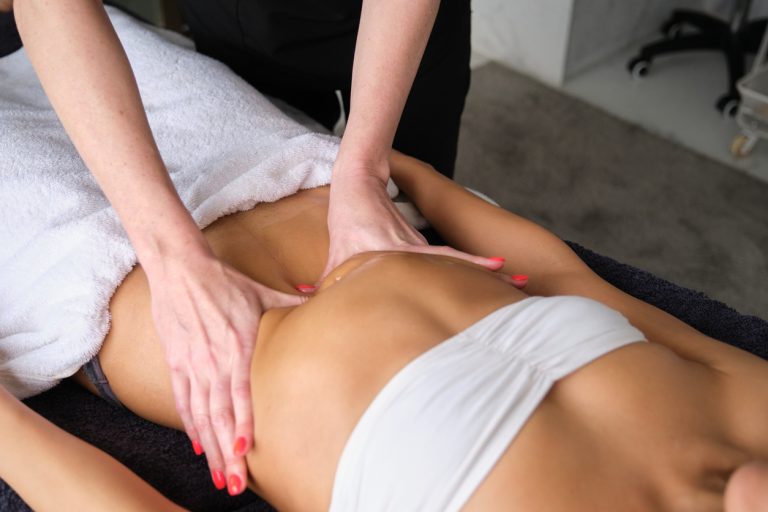


Musculoskeletal tension and chronic discomfort affect millions, yet the benefits of remedial massage deliver precise pain relief, accelerate recovery, and foster overall wellness. This article unveils how targeted soft-tissue techniques restore mobility, reduce inflammation, balance hormonal responses, and support mental resilience, all through the lens of professional care at Wellness On shore. You will discover:
- What remedial massage is and the science behind its effects
- How it provides effective relief for various pain types
- Its role in muscle recovery and injury management
- The mental wellness advantages and stress-reduction mechanisms
- Ways it enhances flexibility, posture, and performance
- Why Wellness Onshore’s holistic approach stands apart
- Practical insights on common client concerns
By exploring these themes, you’ll gain a complete picture of how remedial massage can become your first line of defence against pain and inactivity.
What Is Remedial Massage and How Does It Work?
Remedial massage is a therapeutic procedure that applies targeted manual pressure to damaged or tense soft tissues, improving circulation and stimulating connective-tissue remodelling for lasting relief. By combining techniques such as muscle energy work, trigger point therapy, and myofascial release, it addresses the underlying causes of pain rather than masking symptoms. This targeted intervention enhances blood and lymph flow, modulates nervous-system input, and releases endorphins, laying a foundation for accelerated healing and improved range of motion.
The Benefits of Remedial Massage
Remedial massage is a targeted therapy that uses various techniques to address musculoskeletal imbalances and chronic or acute pain. It aims to correct dysfunction and relieve pain by focusing on specific areas of tension and injury.
What Are the Core Techniques Used in Remedial Massage?
Before diving into specific benefits, it helps to understand the primary methods practitioners use to deliver relief.
- Muscle Energy Technique applies isometric contractions to lengthen stiff muscles and restore joint mobility.
- Trigger Point Therapy locates hyperirritable spots within taut muscle bands and uses sustained pressure to deactivate pain referrals.
- Myofascial Release gently stretches fascial layers to unload adhered connective tissue and restore fluid movement.
- Soft-Tissue Mobilisation involves rhythmic gliding and kneading to increase local circulation and promote toxin clearance.
Each method complements the others by addressing muscles, fascia, nerves, and circulation in concert, setting the stage for deeper physiological changes.
Remedial Massage Techniques
Remedial massage employs techniques such as deep tissue massage, trigger point therapy, and myofascial release to address soft tissues impacting posture and flexibility. These techniques provide relief for painful or sore muscles and improve performance.
How Does Remedial Massage Affect the Body’s Muscles and Connective Tissue?
Gentle sustained pressure and stretching remodel collagen fibres within fascia and realign muscle fibres, improving elasticity and joint support. This process reduces adhesions and scar tissue, easing nerve compression and allowing muscles to contract and relax normally. As tissue compliance improves, clients experience fewer spasms and smoother movement patterns, which build resilience against future strains.
Which Systems Benefit from Remedial Massage?
How Does Remedial Massage Promote Healing and Recovery?
By mechanically stimulating soft tissues, remedial massage triggers a cascade of neurological and hormonal responses:
- Nervous modulation reduces pain perception through gate-control mechanisms.
- Endorphin release elevates mood and naturally suppresses discomfort.
- Cortisol regulation lowers chronic stress, aiding cellular repair.
- Tissue oxygenation accelerates fibroblast activity and collagen synthesis.
This integrated healing response lays the groundwork for faster recovery from injuries, surgeries, and high-intensity training.
How Does Remedial Massage Provide Effective Pain Relief?
Remedial massage delivers targeted interventions that interrupt pain cycles and restore balanced muscle function. By combining structural release with biochemical modulation, it alleviates acute and chronic conditions alike, achieving relief where simple relaxation massage cannot.
What Types of Pain Can Remedial Massage Treat?
- Chronic back pain attributed to postural imbalances and fascia restrictions
- Neck and shoulder tension from desk-bound work and repetitive strain
- Sciatica pain via decompression of lumbo-sacral nerve roots
- Headaches and migraines linked to upper-cervical trigger points
By tailoring techniques to each condition’s root cause, therapeutic sessions deliver precise relief without reliance on pain medication.
How Does Remedial Massage Reduce Inflammation and Muscle Tension?
Targeted soft-tissue compression and release improve microcirculation, which flushes inflammatory mediators and delivers oxygen-rich blood to injured areas. These mechanical forces also encourage fibroblast alignment and collagen remodelling, breaking down microadhesions that perpetuate stiffness and nociceptor activation.
What Are Trigger Point Therapy and Myofascial Release Benefits?
Trigger point pressure deactivates hyperirritable muscle nodules and normalises pain signals, while myofascial release stretches fascial restrictions, restoring up to 25% more tissue glide. Combined, they reduce referred pain patterns, enhance muscle coordination, and prevent chronic tension from returning.
How Is Remedial Massage Different from Deep Tissue and Sports Massage?
Although all three modalities involve firm pressure, their aims and methods differ:
Remedial vs. Deep Tissue Massage
Remedial massage is a targeted, therapeutic approach designed to treat injuries, chronic pain, or musculoskeletal disorders. Deep tissue massage focuses on easing general levels of tension and stress, primarily targeting the deeper layers of muscles and connective tissue.
How Does Remedial Massage Support Muscle Recovery and Injury Management?
Whether recovering after intense workouts or rehabilitating post-surgery, remedial massage accelerates tissue repair and prevents compensatory imbalances that can lead to reinjury.
How Does Remedial Massage Accelerate Sports Injury Recovery?
By reducing inflammatory markers and improving scar-tissue alignment, remedial massage shortens recovery timelines by up to 30% compared with rest alone.
Remedial Massage for Muscle Recovery
Remedial massage can accelerate sports injury recovery by reducing inflammatory markers and improving scar-tissue alignment. Therapists integrate targeted stretches and neuromuscular techniques to restore functional range and prevent future strains.
Therapists integrate targeted stretches and neuromuscular techniques to restore functional range and prevent future strains.
What Role Does Remedial Massage Play in Post-Surgical Recovery?
Gentle soft-tissue mobilisation around incision sites minimises scar adhesions, while lymphatic stimulation reduces postoperative swelling. This combination maintains joint mobility and accelerates return to daily activities under professional supervision.
How Does Remedial Massage Help with Repetitive Strain Injuries?
By identifying overused muscle groups and addressing fascial tightness, remedial sessions rebalance load distribution across joints and nerves. Regular intervention interrupts microtrauma cycles, preventing chronic conditions such as tennis elbow or carpal tunnel syndrome.
How Can Combining Remedial Massage with Exercise and Mobility Enhance Recovery?
Integrating targeted stretches, Pilates-inspired core activation, and remedial massage creates a holistic recovery framework. Soft-tissue work aids in muscle elongation, while corrective exercises reinforce proper movement patterns, culminating in sustained resilience.
Can Remedial Massage Improve Mental Wellness and Reduce Stress?
Yes, remedial massage extends beyond physical relief to promote psychological balance by influencing neuroendocrine pathways.
Massage Therapy for Mental Health
Massage therapy can reduce stress and anxiety by stimulating the release of endorphins, which are the body’s natural mood-enhancing chemicals. Regular massage can also improve sleep and enhance mood by increasing serotonin and dopamine levels.
How Does Remedial Massage Lower Anxiety and Depression Symptoms?
Focused manual therapy sessions stimulate parasympathetic activity, lowering heart rate and reducing cortisol. The rise in endorphins and oxytocin fosters calmness, often translating into measurable improvements in mood and reduced anxiety scores.
What Is the Impact of Remedial Massage on Sleep Quality?
Regular sessions enhance sleep architecture by decreasing muscle tension and balancing circadian-related hormones. Clients often report falling asleep faster and waking less frequently, supporting deeper, more restorative rest.
How Does Massage Therapy Influence Hormonal Balance and Endorphin Release?
Mechanical stimulation of soft tissues prompts the pituitary gland to secrete endorphins while normalising cortisol production. This dual-hormone modulation underpins both the immediate sense of relaxation and the long-term stress resilience benefits.
What Are the Benefits of Stress Reduction Through Remedial Massage?
Reduced stress enhances immune function, lowers blood pressure, and diminishes the risk of stress-related ailments such as headaches and digestive disorders. Therapeutic sessions become a preventive health strategy as much as a treatment method.
How Does Remedial Massage Enhance Physical Performance, Flexibility, and Posture?
Remedial massage not only relieves pain but also optimises muscle length and alignment for peak performance and posture correction.
How Does Remedial Massage Improve Flexibility and Mobility?
By applying sustained stretching and neuromuscular techniques, practitioners can increase joint range by up to 20%. Improved fascia pliability allows muscles to glide freely, reducing the risk of strains during dynamic movements.
What Is the Role of Remedial Massage in Postural Correction?
Remedial assessment identifies imbalances in muscle tone and fascial tension that underlie postural deviations. Targeted release sessions realign soft tissues, enabling the skeleton to settle into a balanced structure and reducing compensatory pain patterns.
How Can Remedial Massage Complement Yoga for Better Results?
When combined with mindful movement disciplines such as yoga, remedial massage prepares connective tissue to respond more readily to flexibility and strength exercises. This synergy accelerates progress in core stability, alignment, and overall performance.
How Does Improved Circulation from Massage Support Physical Function?
Enhanced blood flow delivers oxygen and nutrients to muscle fibers on demand, promoting efficient contraction and rapid waste removal. This circulatory boost underpins both endurance and recovery during athletic training.
Why Choose Wellness Onshore for Your Remedial Massage Needs?
Wellness Onshore delivers a personalised, evidence-based approach that integrates remedial massage with complementary wellness services for holistic results.
What Makes Wellness Onshore’s Approach to Remedial Massage Unique?
Every session begins with a comprehensive movement and postural assessment to pinpoint underlying dysfunctions. Therapists then tailor techniques and incorporate active-rest strategies, ensuring lasting improvements rather than temporary comfort.
How Does Wellness Onshore Integrate Remedial Massage with Other Wellness Services?
By pairing remedial massage with personal training, yoga, and mobility coaching, clients benefit from a fully coordinated program that addresses body, mind, and movement patterns in unison.
What Do Clients Say About Their Remedial Massage Experience?
Clients frequently report transformational outcomes, from returning to pain-free workouts after injury to experiencing deeper mental calm and improved daily function. These success stories underscore our commitment to measurable, lasting results.
What Are the Most Common Questions About Remedial Massage?
Practitioners at Wellness Onshore encounter similar concerns regularly; understanding these helps you prepare for each session.
Is Remedial Massage Painful?
Many report sensation rather than pain, as pressure adapts to individual sensitivity. Discomfort during release of deep adhesions often signals progress toward freer movement and reduced tension.
How Often Should You Get a Remedial Massage?
Frequency depends on your condition and goals. Acute issues may require weekly sessions, while maintenance and performance support often benefit from fortnightly or monthly visits.
Is Remedial Massage Covered by Health Insurance in Australia?
Remedial massage is commonly included under private health insurance extras covers. Checking your provider’s policy ensures claim eligibility, making therapy more accessible.
What Should You Expect During a Remedial Massage Session?
Expect a thorough consultation, guided movement assessment, and a tailored sequence of manual techniques. Clear communication about pressure preferences ensures comfort and efficacy.
How Do You Prepare for and Recover After Remedial Massage?
Arrive hydrated, wear comfortable clothing, and share your current symptoms. Post-session rest, gentle stretching, and continued hydration support tissue repair and extend the benefits.
Remedial massage represents a targeted pathway to lasting pain relief, robust recovery, and enhanced well-being. By engaging with specialised techniques, physiological mechanisms, and holistic integration, clients regain movement freedom and mental equilibrium. Embracing this therapeutic approach at Wellness On shore not only addresses immediate discomfort but builds a foundation for long-term health and performance.