
By Emma Jackson, Wellness on Shore
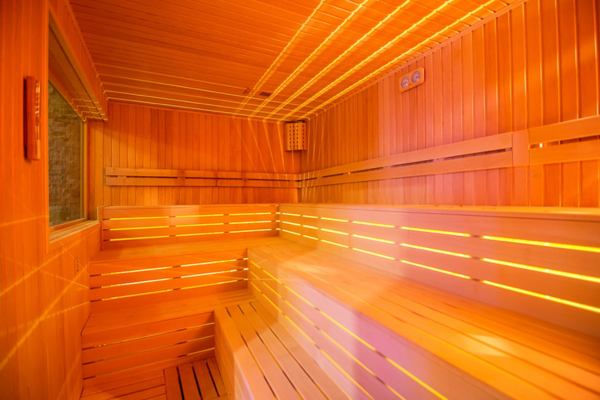
Infrared sauna therapy uses radiant heat to support the body’s natural healing and is increasingly adopted for recovery and wellness. This guide summarises the main advantages, its role in post-exercise recovery, and practical safety and usage guidance. Whether you experience post-workout soreness or seek improved relaxation and detox support, the guidance below covers recommended use, key biological mechanisms, and precautions for different age groups.
Therapeutic Advantages
Infrared saunas support recovery chiefly by improving circulation, reducing pain and encouraging sweat-based detoxification.
- Enhanced circulation: Infrared heat increases blood flow, delivering oxygen and nutrients to muscles.
- Pain relief: Deep-penetrating warmth soothes tissues and reduces discomfort.
- Detox and stress reduction: Sweating helps eliminate some toxins while the experience promotes relaxation.
These combined effects can speed recovery and support general wellbeing when used appropriately.
Impact on Post-Exercise Recovery
Infrared saunas aid post-exercise recovery through physiological responses that reduce soreness and improve readiness for subsequent training.
- Reduced soreness: Regular sessions may shorten recovery time and ease muscle pain.
- Muscle relaxation: Heat relieves tension and stiffness after strenuous activity.
- Performance support: Better recovery helps sustain training quality and lowers injury risk.
Used alongside hydration and rest, infrared therapy can enhance recovery quality.
Overall Health Benefits
Beyond acute recovery, regular infrared sauna use may support cardiovascular function, skin health and sleep.
- Cardiovascular support: Heat raises heart rate and can mimic mild aerobic activity.
- Skin health: Improved circulation may enhance skin appearance and repair.
- Sleep: Many users report calmer sleep after sessions due to reduced stress.
When incorporated responsibly, infrared sessions can complement a healthy lifestyle.
Recommended Use
Follow simple, evidence-informed guidelines to get benefits while limiting risk.
- Frequency: 2–3 sessions per week is typical for benefits.
- Duration: 20–40 minutes per session, adjusted for comfort.
- Post-session: Rehydrate and cool down gradually after each session.
Start conservatively and increase exposure based on tolerance and health advice.
How Does Infrared Sauna Therapy Support Physical Recovery?
Infrared therapy supports tissue repair by increasing circulation, reducing inflammation and promoting cellular responses linked to recovery.
Improved blood flow delivers nutrients and oxygen needed for repair, while sweating and metabolic changes can aid clearance of metabolic byproducts.
What Biological Mechanisms Enhance Muscle Repair and Inflammation Reduction?
Several mechanisms contribute:
- Heat shock proteins: Elevated temperature stimulates protective proteins that support repair.
- Vasodilation: Increased blood flow clears waste and brings healing substrates.
- Anti-inflammatory effects: Heat can reduce local inflammation and soreness.
These processes together create a favourable environment for recovery.
How Does Infrared Heat Therapy Aid in Managing Muscle Pain?
Direct heat increases circulation to sore areas, eases muscle tension and helps with waste removal. The gentle warmth relaxes fibres and reduces stiffness, improving comfort after exercise.
What Safety Guidelines Ensure Effective Infrared Sauna Use for All Ages?
Key precautions include:
- Hydrate: Drink water before and after sessions to avoid dehydration.
- Progress gradually: Begin with shorter sessions and increase as tolerated.
- Medical advice: Consult a healthcare professional if you have health conditions.
These measures help most users benefit safely from infrared therapy.
Who Can Safely Use Infrared Saunas: Age Groups and Health Considerations?
Infrared saunas can benefit many groups when used correctly, including older adults, athletes and families following safety guidelines and medical advice where needed.
Which Usage Practices Maximise Benefits While Minimising Risks in Sauna Sessions?
Practical practices:
- Listen to your body: Exit if you feel unwell or dizzy.
- Wear light clothing: Breathable fabrics improve comfort.
- Combine sensibly: Pair sessions with hydration, stretching and rest.
These habits improve safety and the overall effect of sessions.
How Does Infrared Sauna Therapy Promote Detoxification and Wellness?
Heat-induced sweating is one route for removing certain substances, and infrared light can stimulate circulation and metabolic activity that support detox pathways and immune function when combined with healthy habits.
What Are the Science-Based Effects of Sauna Detoxification Processes?
Research notes several physiological responses to regular sauna use, including increased heart rate and sweat production, which can correlate with lower measurable levels of some toxins in habitual users.
- Physiological mechanisms: Elevated heart rate and sweating enhance clearance routes.
- Sweat implications: Sweating can aid removal of certain heavy metals and compounds.
- Research findings: Some studies show reduced toxin markers in frequent sauna users.
These findings support using saunas responsibly as part of broader recovery and wellness strategies.
How Does Regular Sauna Use Enhance Overall Health and Recovery Outcomes?
Consistent infrared sauna use is associated in some studies with improved cardiovascular markers, better skin health and enhanced immune responses. Regular sessions can complement recovery and contribute to sustained wellbeing when used as part of a balanced routine.
How Can You Book and Benefit from Infrared Sauna Sessions at Wellness on Shore?
Booking is simple. Wellness on Shore offers tailored sessions and information on best practices.
- Booking: Contact the centre to schedule sessions and check availability.
- Session length: Typical sessions last 30–45 minutes and can be adjusted to comfort.
- Guidance: Staff can explain benefits and suitable practices for your goals.
What Are the Steps to Book Class-Based Recovery Sessions?
To book classes:
- Online booking: Choose times and class types on the booking page.
- Discounts: Look for multi-session options.
- Contact: Reach out for specific questions about classes or health needs.
This process ensures straightforward access to sauna and recovery services.
How Do Community-Focused Infrared Sauna Programs Support Your Wellness Journey?
Community programmes combine saunas with other services, personalised recommendations and peer support to help sustain motivation and long-term progress.
- Integrated services: Combine sauna sessions with complementary therapies.
- Personalised advice: Professionals tailor recommendations to individual goals.
- Community support: Group settings encourage accountability and adherence.
These programmes extend benefits beyond individual sessions to ongoing wellness.
Conclusion
Infrared sauna therapy can improve muscle recovery, circulation and support detoxification as part of a holistic wellness plan. Use sessions within recommended guidelines, combine them with hydration and rest, and consult health professionals when needed. Explore Wellness on Shore’s offerings to add infrared sauna therapy to your recovery routine.