
Restoring pain-free walking and standing begins with understanding heel pain and implementing targeted relief strategies. This guide maps out everything from defining plantar fasciitis and its causes to hands-on exercises, conservative care, advanced therapies, and prevention techniques, all tailored for Chiswick residents. You’ll learn when and how Wellness on Shore’s expert podiatrists and physiotherapists step in, how to self-manage heel pain, and when to book clinical appointments or specialist classes for lasting foot health. You can book appointments easily through the Wellness on Shore website.
What Is Plantar Fasciitis, and What Causes Heel Pain?
Plantar fasciitis is inflammation of the plantar fascia, a thick band of connective tissue on the sole, that leads to stabbing heel pain, stiffness, and reduced mobility, and responds best to early intervention combining targeted stretches, supportive footwear, and professional guidance. Understanding this condition unlocks relief through anatomy-focused care and lifestyle adjustments that restore arch support and foot mechanics.
Plantar Fasciitis: Symptoms and Causes
Plantar fasciitis is a common condition causing heel pain, often worse in the morning or after rest. It results from inflammation of the plantar fascia, a thick band of tissue supporting the foot arch. Risk factors include age, exercise, foot mechanics, and obesity.
This source provides information on the causes and symptoms of plantar fasciitis, which is relevant to understanding the condition.
What is plantar fasciitis, and how does it affect the foot?
Plantar fasciitis occurs when micro-tears and inflammation develop in the plantar fascia at its attachment to the heel bone, causing pain with weight-bearing activities. This thick ligament supports the arch and absorbs shock; when overstrained, it loses elasticity and transmits excessive force to the heel, triggering sharp discomfort on standing and walking. Maintaining proper foot alignment and strength helps the fascia recover its natural tension and cushioning function.
What are the common causes and risk factors of plantar fasciitis?
Several factors contribute to plantar fasciitis development, combining to overload the fascia and provoke inflammation:
- Overuse from high-impact activities such as running or jumping
- Poor footwear lacking arch support and cushioning
- Excess body weight increasing plantar stresses
- Abnormal foot mechanics (flat feet or high arches)
- Prolonged standing on hard surfaces
Plantar Fasciitis: Symptoms, Causes & Treatment Options
Plantar fasciitis is the most common cause of heel pain, caused by overuse or stress on the plantar fascia. Symptoms include heel pain, arch pain, and stiffness. Treatment often involves rest, ice, stretching, and over-the-counter medications.
This source provides information on the symptoms, causes, and treatment options for plantar fasciitis, which is relevant to the article’s discussion of exercises.
How does plantar fasciitis cause heel and arch pain?
When the plantar fascia endures repeated tension beyond its capacity, collagen fibers break down at the calcaneal origin, producing localised inflammation and microtearing. This breakdown triggers pain receptors at the heel and along the medial arch, especially during the first steps after rest. Strengthening calf muscles and improving ankle dorsiflexion reduce loads on the fascia, alleviating discomfort in both heel and arch regions.
What are the typical symptoms and signs of plantar fasciitis?
Plantar fasciitis presents with:
- Sharp, stabbing heel pain on first steps in the morning
- Tenderness directly under the heel or along the arch
- Stiffness after prolonged rest that eases with movement
- Swelling or warmth at the fascia insertion
- Pain after intense activity or long periods of standing
These indicators often intensify over weeks without targeted care, underscoring the importance of early recognition and management.
How Is Plantar Fasciitis Diagnosed in Chiswick?
Accurate diagnosis combines clinical evaluation with imaging, ensuring personalised treatment plans at local clinics like Wellness on Shore. Early assessment guides effective interventions and minimises chronic complications.
What physical exams and imaging tests confirm plantar fasciitis?
A healthcare professional palpates the heel and reproduces pain by dorsiflexing the toes to stretch the fascia, confirming the diagnosis through localised tenderness and functional tests. When necessary, ultrasound or MRI visualises fascia thickness and rules out heel spurs or stress fractures. These imaging modalities pinpoint inflammation and structural changes for targeted treatment.
When should you see a podiatrist or physiotherapist for heel pain?
Persistent heel pain lasting more than two weeks, difficulty with morning steps, or worsening symptoms during daily activities warrant professional assessment. Early referral prevents chronic degeneration, and specialists can prescribe orthotics, manual therapy, and exercise programs that address root causes rather than just masking pain.
What Are the Best Exercises and Stretches for Plantar Fasciitis Relief?
Targeted stretching and strengthening exercises improve foot alignment, reduce fascia tension, and accelerate healing when performed consistently.
Plantar Fasciitis Exercises
Targeted exercises and stretches, such as calf stretches and toe curls, can improve foot alignment, reduce fascia tension, and accelerate healing. Consistency is key for the best progress and to reduce pain recurrence.
This source provides information on exercises and stretches that can be used to treat plantar fasciitis, which is relevant to the article’s discussion of exercises.
Which plantar fascia and calf stretches reduce heel pain?
Effective stretches address the calf-fascia chain:
- Seated Towel Stretch – Loop a towel over the ball of the foot, gently pulling toes toward you for 30 seconds to elongate the plantar fascia.
- Standing Calf Stretch (Straight Knee) – Facing a wall, place both hands on it, extend one leg back with heel flat, and lean forward for 30 seconds.
- Standing Calf Stretch (Bent Knee) – Bend the back knee slightly while keeping heel on the floor and lean in for deeper soleus stretch.
Performing these stretches twice daily relieves morning stiffness and reduces tension during weight-bearing.
How do strengthening exercises improve foot and ankle stability?
Strengthening intrinsic foot muscles and the ankle complex enhances arch support and dynamic control:
- Toe Curls with Marbles: Pick up marbles with toes and place them in a bowl, 3 sets of 10 repetitions, to activate the small muscles under the arch.
- Heel Raises: Slowly lift heels off the ground and lower, 3 sets of 15, to strengthen the gastrocnemius and soleus muscles supporting ankle stability.
Building muscle resilience around the plantar fascia offloads stress from the inflamed tissue, promoting long-term relief.
When and how often should plantar fasciitis exercises be performed?
Incorporate stretching and strengthening into daily routines:
- Morning: Before standing, perform towel and calf stretches to counter overnight tightening.
- Midday: During breaks, repeat stretches to maintain flexibility.
- Evening: After activity, complete strengthening exercises to fortify foot muscles.
Consistency, ideally twice daily for stretches and every other day for strengthening, yields the best progress and reduces pain recurrence.
What precautions should be taken during plantar fasciitis exercises?
To prevent further injury:
- Warm up with light marching in place for 2–3 minutes before stretching.
- Avoid overstretching into sharp pain; maintain moderate tension.
- Use stable footwear or hold onto a support when balancing.
- Progress gradually, add one extra repetition each week rather than all at once.
Safe practice ensures continuous improvement while minimising flare-ups.
What Conservative Treatments and Lifestyle Changes Help Plantar Fasciitis?
Non-invasive approaches address pain management, mechanical support, and activity modification to accelerate recovery and prevent chronicity.
How do orthotics and supportive footwear aid plantar fasciitis recovery?
Orthotic insoles and structured shoes provide arch support and heel cushioning, redistributing pressure away from inflamed tissue.
The Best Shoes for Plantar Fasciitis
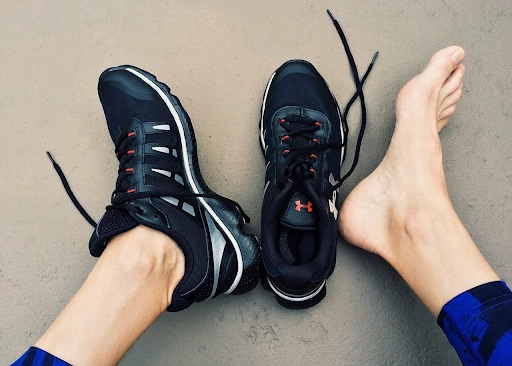
Shoes marketed for plantar fasciitis relief typically carry a slightly higher heel and built-in shock absorber to unload tension on the plantar fascia. Custom orthotics placed inside a supportive sneaker can also be beneficial.
This source provides information on the best shoes for plantar fasciitis, which is relevant to the article’s discussion of footwear.
What pain management techniques are effective for plantar fasciitis?
Immediate relief comes from:
- Ice massage using a frozen water bottle rolled under the arch for 5–10 minutes
- Non-steroidal anti-inflammatory drugs (NSAIDs) to reduce swelling
- Kinesiology taping to support the arch and limit strain
Combining these methods with mechanical support and stretching tackles both symptom relief and underlying tension.
Which lifestyle adjustments support long-term heel pain relief?
Sustained improvement relies on:
- Weight management to decrease plantar load
- Activity modification, swapping high-impact exercise for swimming or cycling
- Structured rest periods to allow fascia healing without complete immobilisation
Adopting these adjustments prevents overload and fosters a gradual return to full activity levels.
When Should You Consider Advanced Therapies for Plantar Fasciitis?
Professional interventions accelerate healing when conservative measures fall short or symptoms persist beyond three months.
How does physiotherapy in Chiswick treat plantar fasciitis?
Physiotherapy combines manual release, dry needling, ultrasound, and guided exercise progression to restore tissue health. Rehabilitation specialists at Wellness on Shore design tailored programs that target fascia adhesions, improve calf flexibility, and optimise gait patterns for lasting relief and functional restoration.
What is shockwave therapy and how does it help plantar fasciitis?
Extracorporeal shockwave therapy delivers focused sound waves to damaged fascia, stimulating blood flow and collagen regeneration.
Shockwave Therapy for Plantar Fasciitis
Extracorporeal shockwave therapy (ESWT) is an effective treatment for plantar fasciitis, stimulating tissue repair and reducing pain. Studies show significant pain reduction with 3-5 sessions.
This source provides information on shockwave therapy for plantar fasciitis, which is relevant to the article’s discussion of advanced therapies.
With success rates of 70–90 percent, shockwave therapy offers a non-invasive option for chronic cases unresponsive to stretching and orthotics.
When are corticosteroid injections recommended for heel pain?
Corticosteroids deliver potent anti-inflammatory medication directly into the fascia insertion, offering rapid pain reduction when daily activities are severely limited. Risks include temporary fat pad atrophy and tendon weakening, so injections are reserved for persistent cases under specialist supervision.
What are the signs that surgery might be necessary for chronic plantar fasciitis?
Surgical intervention becomes an option when six months of comprehensive conservative and advanced therapies fail to relieve severe pain, and imaging confirms significant fascia degeneration. Plantar fascia release or heel spur removal can restore function, although most patients achieve relief without surgery.
How Can You Prevent Plantar Fasciitis and Maintain Foot Health?
Prevention blends biomechanical care, strength training, and footwear choices to protect the plantar fascia from future injury.
What foot care and biomechanical practices reduce plantar fasciitis risk?
Regular arch-supporting exercises, proper warm-up, and foot rolling with a massage ball maintain fascia elasticity. Incorporating calf-strengthening and balance drills fosters foot stability, reducing susceptibility to microtears and inflammation.
How does rehabilitation strengthen the plantar fascia long-term?
Structured rehab programs progress from isometric holds to dynamic loading exercises, teaching the fascia to withstand daily stresses. Gradual increases in tension through heel raises, resistance band foot flexions, and functional gait drills build robust connective tissue and lower recurrence rates.
What role does proper footwear play in preventing heel pain?
Shoes with firm medial arch support, cushioned midsoles, and low heels distribute weight evenly and limit excessive fascia stretching. Regularly replacing worn-out footwear ensures consistent mechanical support for the plantar fascia during all activities.
How Can You Access Expert Plantar Fasciitis Care in Chiswick?
Local specialists streamline diagnosis, treatment, and education, transforming heel pain into foot confidence through tailored services and community classes.
Who are the podiatrists and physiotherapists specialising in plantar fasciitis at Wellness on Shore?
Wellness on Shore’s multidisciplinary team includes registered podiatrists and chartered physiotherapists with advanced training in foot biomechanics, ultrasound diagnostics, and manual therapy. Their combined expertise ensures comprehensive care from initial assessment through to rehabilitation classes.
How do you book physiotherapy or podiatry appointments for heel pain in Chiswick?
Booking an appointment is simple through the Wellness on Shore website, or alternatively contact the Chiswick clinic by phone or drop in to schedule a podiatry assessment or physiotherapy session. Flexible time slots accommodate busy schedules, and our reception team can guide you to the most suitable practitioner based on your heel pain history. You can also book online via the Wellness on Shore website.
Restoring foot health after plantar fasciitis involves a blend of informed self-care, supportive footwear, and expert guidance. From targeted stretches and strengthening exercises to orthotics and advanced therapies, each step builds resilience in the plantar fascia. Wellness on Shore’s Chiswick team offers the clinical expertise needed to guide you from pain to performance. Commit to a structured plan, and regain the freedom to move without heel pain.