

It’s been a few weeks now since the World Championships in Wollongong, and it finally feels like the right time to pause, look back, and make sense of everything that happened. This campaign had a bit of everything: a strong start, months of illness, a back injury that nearly ended it all, rehab, rebuilding and eventually, making it to the start line when it seemed almost impossible.
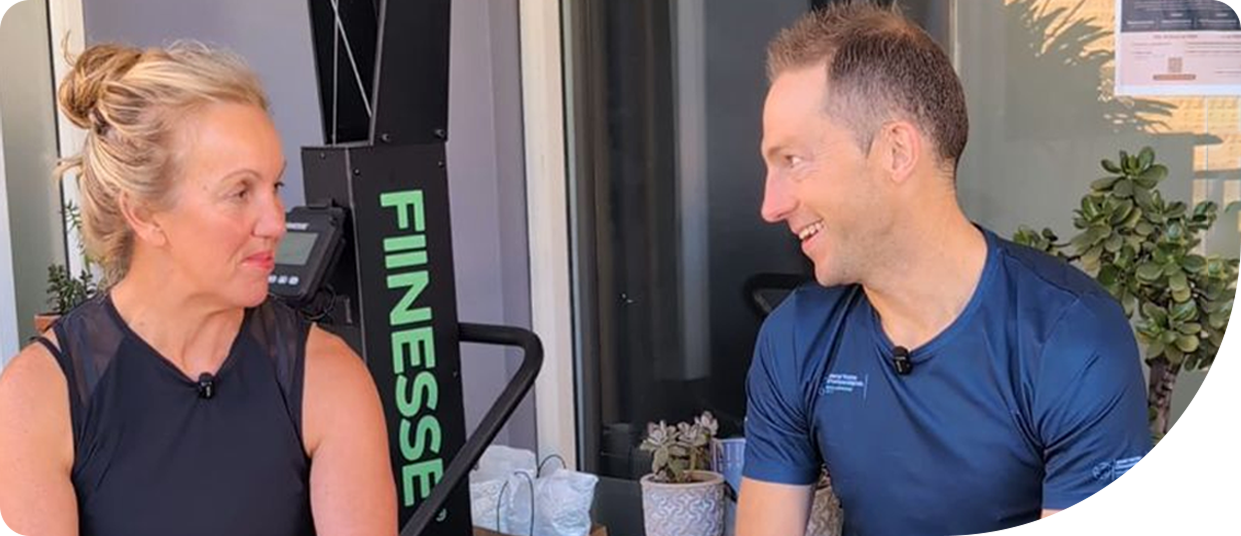
After letting the dust settle, I sat down with Lisa from Wellness On Shore to reflect on the journey. She was with me through every stage of this year, from high-volume training blocks to the days I could barely walk into the clinic, so it made sense to unpack it all together. What unfolded was an honest, insightful conversation about setbacks, resilience, decision-making, and what really goes into preparing an athlete when things don’t go to plan.
The Early Days of the Injury
When the back injury first hit, things weren’t looking good. I was struggling to stand up straight, let alone train. Lisa remembers those early sessions clearly the priority was stabilising, protecting, and stopping things from getting worse. At that point, performance didn’t matter. Movement mattered. Pain reduction mattered. And trusting the process mattered most of all.
One of the biggest turning points early on was Lisa recognising that the injury needed medical support. She pushed me (firmly!) to get a scan, see the GP and Sports Physician, and get proper anti-inflammatories. It wasn’t what I wanted to hear but it was exactly what I needed.
Adapting Along the Way
Throughout the year, Lisa adapted her approach session by session. Some days we progressed. Some days we pulled everything back. Some days were simply about doing something that kept the nervous system calm and the body connected. Consistency, even when it was just mobility or gentle activation became the backbone of the rebuild.
As Lisa said in our chat, “You turned up. Even on the days you couldn’t walk properly you still turned up.”
That consistency became the difference.
The Turning Point
Around six weeks out from the World Championships, things started to shift. Once I stopped pushing too hard and finally scaled things back, the pain began to centralise (a good sign) and we were able to rebuild safely. With daily stability work, careful programming between Lisa and my coach Reedy, and a focus on pain-free loading, the window reopened. The start line suddenly became possible again.
Lessons for Anyone Going Through a Setback
Lisa and I talked a lot about the lessons that apply far beyond triathlon:
Sometimes the hardest part is accepting you need to step back before you can step forward.
Consistency beats intensity, especially during rehab.
Recovery isn’t passive; it’s a skill.
Referral is strength, not failure. Good clinicians know when you need more help.
Rebuilding is rarely linear but it is possible.
Whether you’re an athlete or simply someone working through pain, stress, or burnout, these principles matter.
Crossing the Finish Line And Looking Ahead
Wollongong wasn’t the race I originally planned. But after everything, crossing those finish lines was something I’ll never forget. It represented more than performance, it represented persistence, adaptability, and the power of the right support team.
Looking ahead, the focus is on rebuilding properly, addressing the root causes, and making sure the next chapter is built on a stronger, more stable foundation.
Watch the Full Conversation
This blog barely scratches the surface of what we covered. You can watch the full interview here: a deep dive into the entire process:
👉 Full video: https://youtu.be/AeQAM16hGUY
A huge thank you again to Lisa and everyone at Wellness On Shore. This journey wouldn’t have been possible without them.