
Normatec compression therapy uses dynamic air compression to accelerate recovery and reduce muscle soreness, providing a fast, non-invasive solution for post-exercise pain and fluid build-up. This guide explains how Normatec recovery boots and attachments work, the physiological mechanisms behind their effectiveness, and practical ways athletes, older adults and rehabilitation clients can use them to return to activity sooner. Many people struggle with delayed onset muscle soreness (DOMS), persistent swelling after hard training, or limited recovery windows between sessions; Normatec targets circulation and lymphatic flow to reduce these burdens efficiently. You will learn what the device does, evidence-aligned benefits, who gains most, how to combine Normatec with manual therapy and training, plus what to expect during a session at Wellness on Shore. The article integrates clinical mechanisms, clear how-to protocols, recommended session durations, and answers to common questions like safety and frequency, using terms such as dynamic air compression, sequential pulsing and lymphatic drainage throughout.
What is Normatec Compression Therapy and How Does It Work?
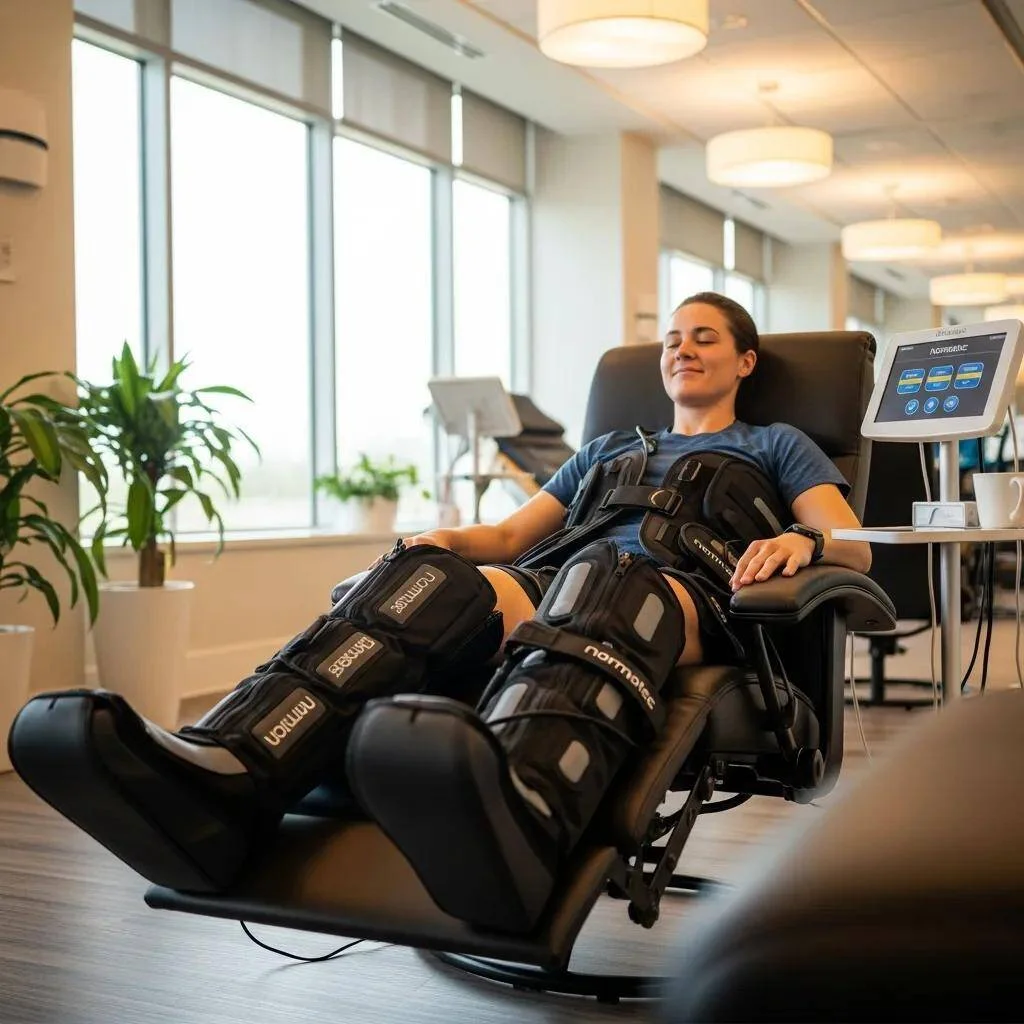
Normatec compression therapy is a pneumatic recovery system that delivers sequential pulsing pressure through chambered garments to encourage venous return and lymph movement. The system’s control unit cycles air through multiple compression chambers, creating a distal-to-proximal gradient that mimics the body’s natural pumping and reduces fluid pooling in the limbs. This mechanism increases local blood flow, helps clear metabolic waste, and lowers the biochemical signals associated with muscle soreness, producing measurable recovery improvements after intense exercise. Understanding this mechanism clarifies why Normatec is categorised under compression therapy and recovery technology and how it complements remedial approaches that target tissue and mobility.
How Does Dynamic Air Compression Enhance Muscle Recovery?
Dynamic air compression enhances recovery by creating rhythmic compression waves that improve venous return and stimulate lymphatic clearance, which together reduce oedema and clear metabolites. The sequential pulsing mimics muscle contractions and supports perfusion without active effort from the client, making it especially useful immediately after strenuous activity when movement is limited. For example, a runner experiencing heavy-leg sensation after intervals will feel reduced tightness and improved range of motion following a single Normatec session, as fluid shifts away from the distal tissues. Recent studies and practitioner reports indicate these immediate circulatory effects translate into faster readiness for subsequent training sessions when used regularly.
Specific studies have investigated the impact of Normatec on muscle inflammation and DOMS in athletes like long-distance runners.
NormaTec for Muscle Inflammation & DOMS in Runners
The purpose was to measure the effects of intermittent pneumatic compression (NormaTec, NT) on muscle inflammation after long distance running. Methods: Ten long distance runners, five males and five females, ages 18-55 years performed two, 20 mile runs at 70 VO2 max. The runs were followed by either no treatment (control) or NT treatment for five consecutive days.
Effects of intermittent pneumatic compression on Delayed Onset Muscle Soreness (DOMS) in long distance runners, SN Draper, 2014
What Are the Key Features of Normatec Recovery Boots?
The Normatec recovery boots feature chambered sleeves, adjustable intensity settings, and a programmable control unit that enables tailored sessions for different needs. The chambered design delivers gradient compression, while intensity presets allow practitioners to select gentle lymphatic stimulation or deeper venous support depending on the client’s goal. Attachment options such as leg boots, arm cuffs, or hip components expand the system’s applicability across sports and rehabilitation use cases. These design elements combine portability, comfort and customisation, helping practitioners deliver consistent pneumatic compression as part of a broader recovery plan.
What Are the Proven Benefits of Normatec for Muscle Soreness and Recovery?
Normatec delivers multiple, evidence-aligned benefits that address both immediate soreness and longer-term recovery needs. The device reduces delayed onset muscle soreness by clearing metabolites and lowering inflammatory signalling, improves local circulation through enhanced venous return, promotes lymphatic drainage to reduce swelling, and helps athletes regain range of motion and training readiness more quickly. Practical outcomes include less perceived pain after intense sessions, reduced limb stiffness, and improved readiness for subsequent workouts, making Normatec a valuable tool within a periodised recovery strategy. The following list summarises key benefits succinctly for quick reference.
Research further supports Normatec’s efficacy in addressing delayed onset muscle soreness.
NormaTec Sequential Pulse Compression for DOMS
Such activities may result in delayed-onset muscle soreness (DOMS). The sequential pulse compression (SPC). This commercially available pulse pattern is marketed as the NormaTec.
Sequential pulse compression’s effect on blood flow in the lower-extremity, LE Eberman, 2020
Normatec provides several direct recovery benefits:
-
- Reduced DOMS: Sequential pulsing accelerates metabolite clearance and decreases post-exercise pain sensation.
-
- Improved Circulation: Chambered compression increases venous return and tissue perfusion.
-
- Enhanced Lymphatic Drainage: Rhythmic compression reduces fluid stasis and lowers swelling.
-
- Faster Readiness to Train: Clients often report quicker return to full-intensity training between sessions.
-
- Rehabilitation Support: Non-invasive, practitioner-supervised use complements rehab plans by controlling oedema and improving mobility.
Beyond immediate relief, research also explores Normatec’s role in deeper physiological recovery processes, such as post-exercise glycogen resynthesis.
NormaTec Compression for Post-Exercise Glycogen Resynthesis
Purpose: The purpose of this study was to investigate the effects of pneumatic compression pants on post-exercise glycogen resynthesis. Methods: Active male subjects (n=10) completed two trials consisting of a 90-minute glycogen depleting ride, followed by 4 hours of recovery with either a pneumatic compression device (PCD) or passive recovery (PR) in a random counterbalanced order. During the PCD trial subjects recovered using a commercially available recovery device (NormaTec PCD
Effect of lower limb compression (NormaTec) on glycogen resynthesis, 2012
These benefits support both high-performance athletes and clients in rehabilitation contexts, indicating Normatec’s role as a versatile recovery modality that addresses multiple physiological pathways. The next section translates these benefits into explicit mechanisms in a compact EAV table for clarity.
For athletes and frequent trainers, Wellness on Shore can integrate Normatec sessions into recovery workflows alongside remedial massage and training oversight. A short mention of local availability and practitioner-led implementation helps readers identify an accessible, supervised option without overshadowing the topic. Wellness on Shore’s sports treatment and recovery focus means Normatec sessions would sit naturally within existing remedial and rehabilitation pathways.
Who Can Benefit from Normatec Compression Therapy?
Normatec benefits a wide range of users, including competitive athletes, recreational fitness enthusiasts, older adults with circulation concerns, and individuals undergoing rehabilitation from injury or surgery. Athletes gain faster inter-session recovery and reduced DOMS, while older adults often experience improved comfort and reduced limb swelling through gentle, practitioner-monitored protocols. Rehabilitation clients receive oedema control and enhanced mobility when Normatec is used in combination with manual therapy and exercise prescriptions under practitioner oversight. Screening for contraindications is essential; practitioners assess vascular health and recent surgical history before recommending sessions to ensure safe use.
How Does Normatec Support Athletes and Fitness Enthusiasts?
Normatec supports athletes by shortening recovery windows between intense workouts and events, allowing more consistent training loads and improved performance adaptation. Used after high-intensity intervals or competition, the device helps clear metabolites and reduces perceived exertion the following day, which can preserve training quality across a microcycle. Practical frequency recommendations vary by phase, daily in acute recovery periods or 1–3 times weekly for maintenance, tailored to training load and competition schedule. Athletes using Normatec alongside targeted mobility work and nutrition strategies typically report better session-to-session availability and reduced missed sessions due to soreness.
What Are the Advantages for Aged Groups and Individuals with Mobility Needs?
For older adults and people with mobility limitations, Normatec offers a gentle, non-invasive means of improving circulation and reducing swelling without demanding active effort. The graded compression supports venous return and lymph movement, which helps manage chronic fluid retention and discomfort in the lower limbs. Practitioners can apply simplified protocols with lower intensity settings and monitor tolerance, ensuring safety and comfort. This accessibility makes Normatec a practical adjunct to community rehabilitation and mobility-focused programmes under professional supervision.
How to Integrate Normatec Compression with Other Recovery Services at Wellness on Shore?
Integrating Normatec with remedial massage and personal training creates a coherent recovery pathway that addresses tissue health, fluid dynamics and functional performance. Sequencing sessions, such as manual therapy to address soft-tissue restrictions followed by Normatec to enhance fluid removal, produces synergistic effects that speed return-to-activity. Personal trainers can schedule Normatec sessions after heavy training loads or competitive events to reduce downtime and maintain training frequency. The table below outlines complementary pairings and clear combined benefits to guide practitioner-led protocols.
This comparison clarifies how Normatec functions as one element in multi-modality programmes, enabling practitioners to design personalised plans that balance manual care, exercise and pneumatic compression. Next, practical session flows illustrate how these pairings work in practice.
-
- Massage then Normatec: Manual therapy addresses adhesions and mobility restrictions, followed by Normatec to move fluid and consolidate gains.
-
- Training then Normatec: Intense sessions are completed with Normatec in the post-exercise window to accelerate metabolite clearance and reduce soreness.
-
- Assessment then Normatec: During rehabilitation, clinicians assess function, apply targeted treatment, and use Normatec to manage swelling and support progression.
These example protocols provide a practitioner-led framework that Wellness on Shore can use when personalising recovery plans, ensuring interventions are sequenced for maximum physiological benefit. The following subsection explains how manual and pneumatic approaches combine to accelerate outcomes.
What Are the Synergistic Effects of Combining Normatec with Remedial Massage?
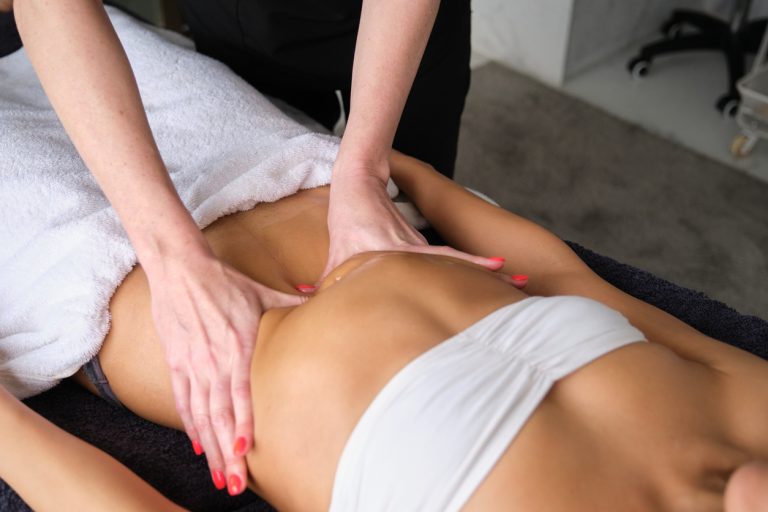
Combining Normatec with remedial massage targets both soft-tissue restrictions and fluid dynamics, producing faster, more durable improvements in mobility and comfort. Manual therapy breaks down adhesions and improves local tissue glide, while subsequent pneumatic compression moves residual interstitial fluid and improves perfusion to the treated area. A typical treatment plan might include 20–30 minutes of targeted massage followed by a Normatec session to consolidate soft-tissue changes and lower post-treatment swelling. Practitioners at Wellness on Shore can personalise intensity and sequencing to client tolerance, which enhances recovery consistency and reduces time lost to soreness.
How Does Normatec Complement Personal Training and Rehabilitation Programs?
Normatec complements training programmes by reducing downtime after heavy sessions and supporting progressive overload with fewer interruptions from soreness. In rehabilitation, compression assists closed-kinetic-chain progressions by managing oedema that would otherwise limit range of motion or increase pain during exercise. A weekly plan might pair 1–2 Normatec sessions with progressive strength work and targeted mobility drills to improve readiness and adherence. By integrating compression into periodised plans, trainers and clinicians can set measurable goals such as reduced soreness scores and earlier attainment of functional milestones.
What to Expect During Your Normatec Compression Session at Wellness on Shore?
A typical Normatec session begins with a short practitioner consultation to confirm goals, screen for contraindications and select appropriate intensity and duration settings. Clients are fitted with chambered sleeves and the practitioner explains sensations to expect before running a preset or customised programme. Sessions focus on comfort, monitoring for tolerance while the control unit cycles sequential compression to move fluid and support circulation. Aftercare recommendations include gentle movement and hydration to sustain the circulatory benefits and support metabolic clearance.
The quick-reference table below summarises typical session attributes to help clients prepare and make informed booking decisions.
This table provides a concise operational view that helps set client expectations and reduce uncertainty before arrival. The next subsection clarifies common timeframes and frequency recommendations.
How Long Is a Typical Normatec Recovery Session?
Typical Normatec sessions range from 20 to 45 minutes depending on the recovery goal, with 20–30 minutes common for routine post-training recovery and 30–45 minutes used for more intensive oedema control or after competition. Shorter sessions are effective for maintenance and fit easily into training day schedules, while longer sessions provide extended lymphatic stimulation for acute recovery phases. Frequency varies by objective: daily use during acute soreness phases, and 1–3 sessions per week for ongoing maintenance in training cycles. Practitioners tailor length and cadence to individual response and training demands.
What Should You Know Before and After Using Normatec Therapy?
Before a Normatec session, clients should stay hydrated, wear light clothing, and inform practitioners of recent injuries, surgeries or circulatory conditions for screening purposes. Practitioners perform a brief vascular and medical check to identify contraindications and choose safe intensity levels. After a session, gentle movement, fluid intake and avoiding prolonged immobility help consolidate benefits and support continued drainage. Clients are advised to report any unusual pain, numbness or prolonged skin changes so practitioners can adjust future protocols.
Pre-session checklist:
-
- Be hydrated and avoid heavy meals immediately before the session.
-
- Wear comfortable clothing that allows easy fitting of sleeves.
-
- Inform staff about medications and recent surgeries or vascular issues.
Post-session recommendations:
-
- Move gently and rehydrate to support circulation.
-
- Monitor for changes and report any unexpected symptoms.
-
- Schedule follow-up sessions based on practitioner advice.
These practical steps reduce friction for bookings and improve session outcomes by aligning client preparation with therapeutic intent.
Frequently Asked Questions About Normatec Compression Therapy
This FAQ section addresses common practical questions about frequency, safety and suitability, offering succinct, evidence-aligned answers to guide users and support practitioner-led decisions. Short Q&A pairs below are formatted for clarity and quick reference, tailored to both athletes and general clients seeking recovery strategies.
How Often Should You Use Normatec for Optimal Muscle Pain Relief?
Frequency depends on the goal: during acute soreness phases, daily sessions can be used for short periods to accelerate clearance and comfort, while maintenance for regular training typically involves 1–3 sessions per week. Athletes ramping intensity around competition may increase use in the immediate recovery window, then taper to maintenance as training stabilises. Rehabilitation protocols require practitioner oversight to set frequency based on healing status and vascular considerations. Always consult a qualified practitioner to personalise cadence and avoid overuse.
Is Normatec Safe and Suitable for All Fitness Levels?
Normatec is adaptable to a wide range of fitness levels because intensity and duration are adjustable and sessions can be practitioner-supervised for those with medical concerns. Common contraindications include certain vascular disorders, acute deep vein thrombosis or uncontrolled cardiac conditions, so screening is essential prior to treatment. For older adults and people with mobility limits, lower intensities and shorter durations provide safe options under practitioner guidance. Overall, the system’s adjustability and non-invasive nature make it broadly suitable when used within professional protocols.
Wellness on Shore offers practitioner-led recovery and rehabilitation services that align with these guidelines, providing a local, supervised environment for combining Normatec with remedial massage and training oversight. Clients in Chiswick seeking an integrated approach can expect personalised plans that balance compression therapy with hands-on treatment and conditioning to accelerate safe return-to-activity.
For booking and to discuss which recovery pathway best suits your needs, please contact Wellness on Shore to arrange a practitioner consultation and tailored Normatec session.