
Heel pain affects up to 10 percent of the population, with plantar fasciitis accounting for approximately 80 percent of cases. This article explains what plantar fasciitis is, why inflammation of the plantar fascia causes sharp heel discomfort, and how targeted plantar fasciitis exercises, both stretches and strengthening routines, can relieve pain and restore foot stability. At Wellness On Shore, we support clients with tailored remedial massage, personal training, and coaching that complement these exercises and help manage plantar fasciitis effectively. We’ll cover:
- A clear anatomy overview and common risk factors
- Top stretching exercises and their frequency
- Strengthening drills for foot arch support
- Footwear and lifestyle modifications for prevention
- Home treatments and when to seek professional help
- Typical recovery timelines and avoiding exercise mistakes
What Is Plantar Fasciitis and How Does It Cause Heel Pain?
Plantar fasciitis occurs when the thick connective tissue under the foot becomes inflamed or degenerates, leading to stabbing heel pain with the first steps each morning. This condition develops due to repetitive strain and microtears in the plantar fascia, which overloads its shock-absorbing capacity and triggers an inflammatory response.
What Is the Role of Plantar Fascia in Foot Health?
The plantar fascia is a dense band of tissue that connects the calcaneus (heel bone) to the metatarsal heads, supporting the longitudinal arch and acting as a passive shock absorber. By maintaining foot arch integrity during standing and gait, the plantar fascia distributes mechanical loads across the foot. When this load exceeds tissue tolerance, microtears form and compromise both arch stability and heel cushioning, resulting in pain.
Which Symptoms Indicate Plantar Fasciitis?
- Sharp heel pain with first weight-bearing steps in the morning
- Pain after prolonged sitting or standing
- Tenderness along the medial heel and arch
- Stiffness or reduced dorsiflexion in the ankle
These symptoms often improve with movement but return after inactivity. Persistent discomfort lasting more than four weeks typically indicates progressive inflammation.
What Are the Common Causes and Risk Factors for Plantar Fasciitis?
These factors often compound over time, creating a cycle of strain and inflammation. Addressing each element guides both exercise selection and lifestyle adjustments.
What Are the Best Stretching Exercises for Plantar Fasciitis Relief?
Effective stretching exercises alleviate plantar fasciitis pain by increasing tissue flexibility, reducing tension on the plantar fascia and Achilles tendon, and improving ankle range of motion. Regular stretching supports foot arch resilience and speeds recovery.
How Do Calf Stretches Target the Gastrocnemius and Soleus Muscles?
- Stand facing a wall, feet hip-width apart.
- Place hands on the wall at shoulder height.
- Step one foot back, keeping heel flat and knee straight to stretch gastrocnemius.
- Bend back knee slightly to focus on soleus.
- Hold each position for 30 seconds, 3 repetitions per side.
Calf stretching reduces Achilles tendon tension, preventing overload of the plantar fascia and smoothing the transition into strengthening drills.
Which Plantar Fascia-Specific Stretches Help Reduce Heel Pain?
Seated and towel stretches directly lengthen the plantar fascia from its heel attachment.
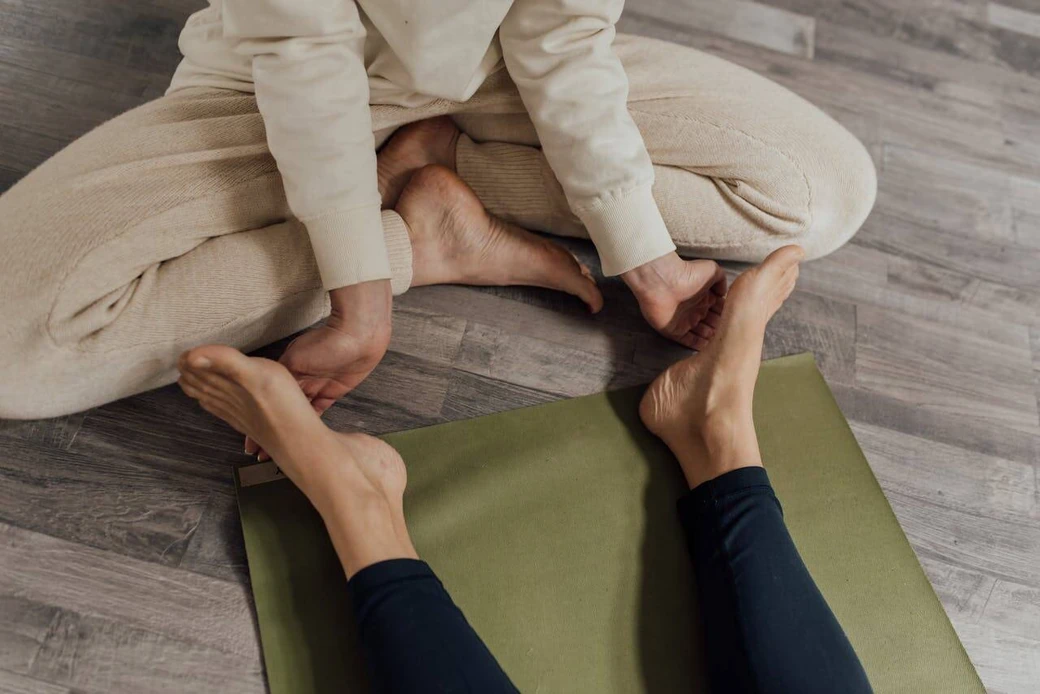
- Seated Plantar Fascia Stretch: While seated, cross one foot over the opposite knee. Grasp toes and gently pull them toward the shin until tension is felt along the arch. Hold for 20–30 seconds, repeat 3 times.
- Towel Stretch: Sit with legs extended. Loop a towel around the forefoot and gently pull toes toward you, maintaining a straight knee. Hold 30 seconds, 3 sets each foot.
These stretches alleviate morning stiffness and mitigate microtearing by promoting tissue elasticity.
Effectiveness of Plantar Fascia-Specific Stretching Exercises in Plantar Fasciitis
Research indicates that plantar fascia-specific stretching exercises are an effective conservative treatment option for plantar fasciitis, leading to pain reduction and improved function. Patients should be informed about the success rate and encouraged to perform regular exercise for treatment.
How Can Toe and Foot Stretches Improve Flexibility and Reduce Pain?
Toe extension and intrinsic foot stretches mobilise small muscles that stabilise the arch.
- Toe Extensions: Lift all toes simultaneously while seated, spreading them apart. Hold 10 seconds, repeat 10 times.
- Ball Roll: Place a tennis ball under the arch and roll slowly back and forth for 2 minutes.
By improving intrinsic muscle flexibility, these exercises distribute plantar loads more evenly, reducing focal stress on the fascia.
When and How Often Should You Perform These Stretches?
- Perform stretching routines twice daily, once in the morning and once before bedtime.
- Incorporate stretches before and after weight-bearing activities.
- Gradually increase hold times by 5 seconds each week to promote progressive adaptation.
Regular practice ensures lasting flexibility gains and minimised pain flares during daily life or Wellness Onshore’s foot-focused exercise classes.
What Strengthening Exercises Support Foot Arch Stability and Prevent Plantar Fasciitis?
Strength training for plantar fasciitis and the intrinsic foot musculature: A systematic review
This review suggests that high-load plantar fascia resistance training may aid in pain reduction and functional improvements, although further research is needed to standardise outcome measures.
How Do Toe Curls and Marble Pickups Strengthen Intrinsic Foot Muscles?
Toe curls and marble pickups target lumbrical and interossei muscles beneath the forefoot.
- Toe Curls: Place a towel flat under your toes. Use your toes to scrunch the towel toward you, then push it away. Repeat 15 times per foot.
- Marble Pickups: Scatter 10 marbles on the floor. Use toes to pick each marble and drop into a cup. Perform until all marbles are collected, 2 rounds.
These drills improve arch stiffness and reduce collapse during the mid-stance phase of gait.
What Are Heel Raises and How Do They Strengthen Calf Muscles?
- Stand with feet hip-width apart, hands lightly on a chair for balance.
- Rise onto your toes, lifting heels off the ground.
- Pause at top for 2 seconds, then lower slowly.
- Complete 3 sets of 12–15 repetitions.
Stronger calf muscles absorb more ground reaction force, lessening direct load on the plantar fascia.
Which Ankle Stability Exercises Complement Plantar Fasciitis Recovery?
Enhancing ankle proprioception guards against reinjury by improving dynamic foot positioning.
- Single-leg Balance: Stand on one foot for 30 seconds, 3 reps each side. Progress by closing eyes or standing on a foam pad.
- Ankle Alphabet: While seated, trace the alphabet in the air using your big toe. Perform once per foot.
Stable ankles create a solid foundation for foot arches, ensuring rehabilitated fascia remains protected during movement.
How Can You Prevent Plantar Fasciitis Through Lifestyle and Footwear Choices?
Preventing plantar fasciitis involves choosing supportive footwear, using orthotics when needed, managing weight and activity levels, and avoiding high-risk behaviours.
What Features Should Supportive Footwear Have to Prevent Heel Pain?
Investing in quality athletic or walking shoes reduces microtrauma and complements Wellness Onshore’s foot-care workshops.
Impact of routine footwear on foot health: A study on plantar fasciitis
The study found that the majority of people with plantar fasciitis wear inappropriate shoes, which are associated with more severe heel pain. The research highlights the importance of appropriate footwear in managing the condition.
How Do Orthotics Help in Preventing Plantar Fasciitis?
Custom or over-the-counter orthotic inserts realign the foot and absorb shock, reducing fascial strain. By providing targeted arch support and off-loading high-pressure zones, orthotics can:
- Improve foot biomechanics during gait
- Decrease peak plantar pressures by up to 30 percent
- Prevent microtears that lead to chronic inflammation
Wellness Onshore’s trained podiatrists can assess your gait and recommend the most suitable orthotic solution.
Orthoses and insoles for plantar fasciitis: Do they help, and are they worth it?
Some research indicates that custom orthotics can improve plantar fasciitis pain in the short term, slightly better than prefabricated insoles, but not beyond. Prefabricated insoles can be a great way to test if more arch support and cushioning will help your pain without spending too much money.
What Lifestyle Changes Reduce Risk Factors Like Obesity and Overuse?
Modifying daily habits helps limit excessive plantar loading. Key strategies include:
- Gradually increasing activity intensity by no more than 10 percent per week
- Incorporating low-impact cross-training (swimming, cycling)
- Maintaining a healthy weight through balanced nutrition
- Scheduling regular rest days to allow tissue recovery
Why Should You Avoid Barefoot Walking on Hard Surfaces?
Walking barefoot on concrete or tile increases focal loads on the heel and arch, accelerating tissue fatigue and tear formation. Even short durations of barefoot ambulation can raise peak plantar pressure by 25 percent, making supportive footwear essential for high-risk environments.
What Are Effective Home Treatments and When Should You Seek Professional Help?
Self-care measures relieve pain and inflammation, while professional intervention becomes necessary for persistent or severe cases.
How Does Ice Therapy and NSAIDs Reduce Inflammation and Pain?
Icing the heel for 10–15 minutes reduces local blood flow and inflammatory mediators, offering immediate comfort. Non-steroidal anti-inflammatory drugs (NSAIDs) such as ibuprofen inhibit prostaglandin synthesis, lowering pain and swelling. Combined, these treatments provide short-term relief and support tissue healing when used judiciously.
When Is Physical Therapy Recommended for Plantar Fasciitis?
Physical therapy is advised when conservative home measures fail after 4–6 weeks or when gait abnormalities persist. A physiotherapist will:
- Perform manual fascial release and trigger-point work
- Prescribe tailored stretching and strengthening protocols
- Use modalities like ultrasound or shockwave therapy
Enrolling in Wellness Onshore’s physiotherapy program ensures expert supervision and faster recovery.
What Advanced Treatments Are Available Beyond Exercises?
- Corticosteroid injections to target deep inflammation
- Extracorporeal shockwave therapy (ESWT) to stimulate tissue regeneration
- Night splints to maintain dorsiflexion during sleep
- Surgical plantar fascia release in < 5 percent of chronic cases
These interventions complement exercise regimens and should be considered under professional guidance.
How Long Does It Take to Heal Plantar Fasciitis with Exercises and Treatment?
Consistent application of plantar fasciitis exercises and appropriate interventions leads to significant improvement within months.
What Is the Typical Recovery Timeline for Conservative Treatment?
Most individuals experience 50–70 percent pain reduction within 6 weeks of structured stretching and strengthening.
Approximately 90 percent of cases resolve completely within six months of combined home therapy, supportive footwear use, and guided exercise classes.
How Can Consistent Stretching and Strengthening Prevent Recurrence?
Maintaining a regular routine of calf and foot stretches, intrinsic muscle strengthening and proper footwear use builds tissue resilience. Integrating these exercises into weekly habits prevents fascial overload and reduces the risk of symptom recurrence by reinforcing arch support and ankle stability over time.
What Are Common Mistakes to Avoid When Exercising for Plantar Fasciitis?
Avoiding certain pitfalls ensures that your exercise routine promotes healing rather than aggravation.
Which Exercises Should Be Avoided to Prevent Further Heel Pain?
- Deep heel drops off elevated surfaces
- Running or jumping on hard surfaces
- Aggressive forward lunges without proper ankle mobility
Opt instead for controlled, pain-free motions that support gradual tissue adaptation.
How Can You Ensure Safe and Effective Exercise Technique?
- Warm up with gentle range-of-motion drills before loading exercises
- Use a mirror or partner feedback to maintain neutral foot alignment
- Increase intensity or volume by no more than 10 percent each week
- Monitor discomfort, stop any exercise that causes sharp or lasting pain
Enrolling in Wellness On shore’s coaching sessions provides hands-on guidance to master technique and prevent setbacks.
Plantar fasciitis exercises that combine targeted stretching, progressive strengthening and smart lifestyle choices can rapidly improve heel pain and foot function. By following these evidence-based tips and leveraging professional services when needed, you’ll build a durable arch support system and get back on your feet confidently and comfortably.
Ready to take the next step in your recovery? Book an appointment with Wellness On Shore today and get personalised support for plantar fasciitis and heel pain.