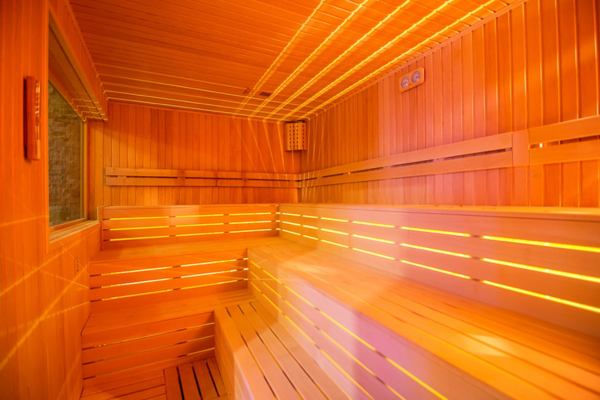


Infrared saunas are increasingly used to support muscle recovery among athletes and fitness enthusiasts. They use infrared radiation to warm tissues directly, producing physiological effects that help after intense exercise. This article explains how infrared saunas work, the recovery benefits they offer, and practical guidance for safe, effective use across ages and fitness levels.
Benefits of Infrared Saunas for Muscle Recovery
Infrared saunas deliver targeted benefits that support faster recovery, reduced pain, and improved training readiness.
- Enhanced Circulation: The heat from infrared saunas increases blood flow, delivering more oxygen and nutrients to muscles, which is essential for repair and recovery.
- Pain Relief: Infrared heat can alleviate muscle soreness and joint pain, making it an effective therapy for post-exercise discomfort.
- Reduced Muscle Soreness: Regular use of infrared saunas can decrease delayed onset muscle soreness (DOMS), allowing for quicker recovery times.
Techniques for Using Infrared Saunas
Effective technique improves outcomes and safety during infrared sessions.
- Timing of Sessions: Schedule sauna sessions after workouts to facilitate recovery.
- Session Length: Aim for 20-30 minutes per session to achieve optimal results.
- Hydration: Ensure proper hydration before and after sauna use to replace fluids lost through sweating.
Applying these techniques will increase the therapeutic value of your sauna sessions.
Practical Guidelines
Follow clear guidelines to use infrared saunas safely and get consistent benefits.
- Frequency of Sessions: For best results, aim for 2-3 sessions per week.
- Safety Considerations: Consult with a healthcare provider if you have underlying health conditions.
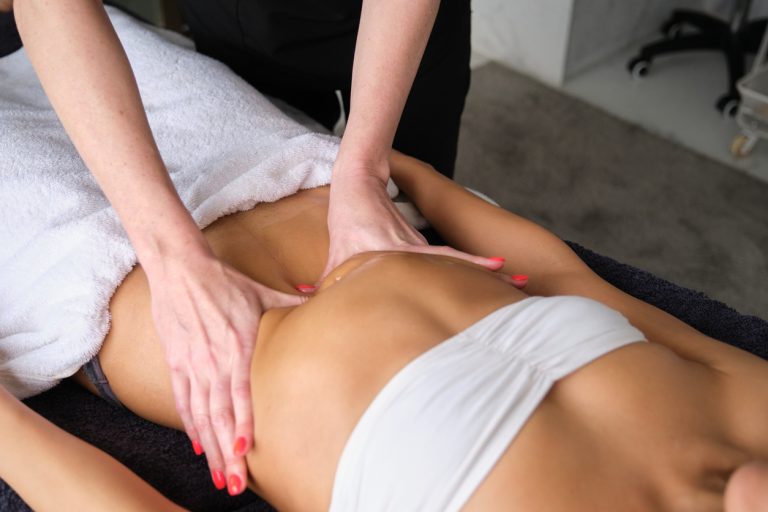
- Combining with Other Therapies: Consider integrating infrared sauna use with other recovery methods, such as stretching or massage therapy, for enhanced benefits.
These recommendations help you maximise benefits while reducing potential risks.
What Are the Physiological Effects of Infrared Heat on Muscle Recovery?
Infrared heat triggers measurable physiological responses that support recovery.
It increases local circulation, improving oxygen and nutrient delivery to muscle tissue, which reduces stiffness and supports cellular repair. Heat also stimulates heat shock proteins (HSPs), which protect cells from stress and assist recovery processes.
How Does Infrared Sauna Therapy Improve Blood Circulation and Reduce Inflammation?
Infrared sauna therapy at Recovery Room Balmain improves circulation and can reduce inflammatory responses through established physiological mechanisms. Infrared heat induces vasodilation, widening blood vessels and increasing blood flow. This enhanced circulation delivers nutrients to muscles and assists in the removal of metabolic waste. Infrared exposure also appears to exert anti-inflammatory effects that can reduce swelling and discomfort in muscles and joints. Peer-reviewed studies report that infrared radiation contributes to reduced inflammation and supports muscle recovery.
Infrared Radiation Benefits: Edema, Inflammation, Muscle Repair
The beneficial effects of infrared radiation during recovery may be clearance of edema, limit inflammation, and improve muscle repair.
Effects of repeated use of post-exercise infrared sauna on neuromuscular performance and muscle hypertrophy, HG Hanstock, 2025
These mechanisms explain how infrared sauna therapy helps promote recovery and reduce inflammatory symptoms.
What Role Does Heat Therapy Play in Accelerating Muscle Repair Processes?
Heat therapy accelerates muscle repair primarily by improving circulation and nutrient delivery.
Better blood flow supplies oxygen and key nutrients to damaged tissue and supports removal of metabolic by-products formed during intense exercise. This combination of improved delivery and clearance supports faster, more efficient repair.
Appreciating this role demonstrates why heat is frequently included in recovery protocols.
How Does Infrared Sauna Therapy Compare to Traditional Sauna for Muscle Recovery?
Infrared sauna therapy offers specific advantages compared with traditional saunas for recovery purposes.
Traditional saunas heat the air; infrared saunas heat the body directly via radiation. That direct heating is comfortable at lower air temperatures, which often allows longer, more tolerable sessions. Infrared radiation also penetrates deeper into tissues, enhancing therapeutic effects on muscles.
What Are the Key Differences Between Infrared and Traditional Sauna Heat Penetration?
The main differences relate to how heat is delivered and the depth of tissue heating.
Infrared saunas use panels that emit radiation which penetrates the skin more deeply than the hot air in traditional saunas. This deeper heating supports more effective muscle relaxation and recovery, whereas traditional saunas mainly provide benefits through elevated ambient temperature.
Understanding these differences helps you choose the sauna type that best matches your recovery goals.
Which Sauna Type Offers Superior Benefits for Post-Workout Muscle Soreness Relief?
For post-workout soreness relief, infrared saunas combined with Massage Services are often seen as more effective than traditional saunas. The direct, deeper heat from infrared saunas supports faster reduction in discomfort and stiffness. Many users report quicker relief and improved muscle comfort following infrared sessions compared with traditional sauna exposure. This combination makes infrared saunas paired with professional Massage Services a preferred option for athletes and active individuals seeking efficient recovery.
What Are the Recommended Infrared Sauna Session Durations and Frequencies for Optimal Recovery?
Recommended session lengths and frequency depend on your goals and tolerance.
- Post-Exercise Recovery Timing: Aim for a session of 20-30 minutes immediately after workouts.
- Chronic Pain Session Lengths: For chronic pain management, longer sessions of up to 45 minutes may be beneficial.
- General Relaxation Frequencies: For general wellness, 2-3 sessions per week are recommended.
Use these guidelines to tailor sauna use to your recovery objectives and personal response.
How Long Should Athletes Spend in an Infrared Sauna for Effective Muscle Repair?
Athletes will typically benefit from 20–30 minute sessions for muscle repair.
This timeframe provides effective heat exposure to boost circulation and recovery while limiting excessive fatigue or dehydration. Always monitor your comfort and adjust duration based on individual response.
Applying the optimal duration consistently can improve recovery outcomes over time.
How Often Should Infrared Sauna Sessions Be Scheduled to Maximise Recovery Benefits?
To maximise recovery benefits, schedule infrared sauna sessions 2–3 times per week.
That frequency provides repeated therapeutic exposure to support ongoing muscle repair and general wellness. Athletes may increase or decrease frequency according to training load and recovery needs.
A regular schedule helps integrate sauna therapy effectively into broader recovery strategies.
What Are the Infrared Sauna Benefits for Different Age Groups and Families in Muscle Recovery?
Infrared saunas can benefit a range of age groups and family members for recovery and wellness.
- Benefits for Athletes: Athletes of all ages can experience enhanced recovery and reduced soreness.
- Pain Relief for Older Adults: Older adults may find relief from chronic pain and stiffness through regular sauna use.
- Family Wellness: Families can enjoy the collective benefits of relaxation and recovery, making infrared saunas a valuable addition to home wellness routines.
These benefits demonstrate the adaptability of infrared sauna therapy across diverse users.
How Do Infrared Saunas Support Muscle Recovery in Older Adults?
Infrared saunas aid older adults by improving circulation and reducing discomfort.
The gentle, consistent heat can ease stiffness and pain, supporting mobility and enabling safer engagement in physical activity. The relaxation effect also contributes to overall wellbeing.
Recognising these advantages can help older adults include sauna therapy in a balanced recovery plan.
What Are the Advantages of Infrared Sauna Therapy for Family Wellness and Recovery?
Infrared sauna therapy supports family wellness through stress reduction, pain relief and supportive detoxification effects.
- Stress Reduction: Regular sauna use can help reduce stress levels for all family members.
- Pain Relief: Families can benefit from the pain-relieving properties of infrared heat, making it suitable for various conditions.
- Detoxification: Infrared saunas promote detoxification through sweating, benefiting overall health.
These advantages make infrared sauna therapy a practical tool for enhancing household wellness routines.
How Can Infrared Sauna Therapy Be Combined with Other Muscle Recovery Techniques?
Combining infrared sauna use with other recovery techniques enhances overall results.
- Hydration: Ensure proper hydration before and after sauna sessions to support recovery.
- Gentle Cooldown Practices: Incorporate gentle stretching or cooldown exercises post-sauna to maintain flexibility.
- Manual Therapies: Consider combining sauna use with massage therapy for comprehensive recovery.
Integrating these practices creates a more complete recovery strategy and improves muscle health.
What Recovery Methods Complement Infrared Sauna Use for Enhanced Muscle Repair?
Several supporting methods work well alongside infrared sauna therapy.
- Hydration: Staying hydrated is crucial for recovery and should be prioritised.
- Gentle Cooldown Practice: Engaging in light stretching after sauna sessions can aid in muscle relaxation.
- Manual Therapies: Techniques such as massage can further enhance recovery when used alongside sauna therapy.
These complementary approaches create a holistic recovery plan that addresses multiple recovery pathways.
How Does Combining Infrared Sauna with Heat Therapy and Detoxification Improve Outcomes?
Combining infrared sauna therapy with broader heat and detoxification approaches can improve recovery outcomes.
Heat therapy amplifies circulation and relaxation, while detoxification through sweating may support removal of certain metabolites. Together, these effects can reduce soreness and promote overall wellbeing.
Framing sauna use within a comprehensive recovery plan encourages more consistent and effective results.
Conclusion
Incorporating infrared saunas into your recovery routine with Wellness On Shore can support muscle repair, reduce soreness, and enhance overall wellbeing. The therapy’s effects on circulation and pain relief make it a valuable tool for athletes and active individuals. By following recommended session lengths and frequencies, you can maximize these benefits and improve recovery consistency. Explore how infrared sauna therapy fits your recovery plan and review our curated wellness products to support your goals.
Written By: Emma Jackson