

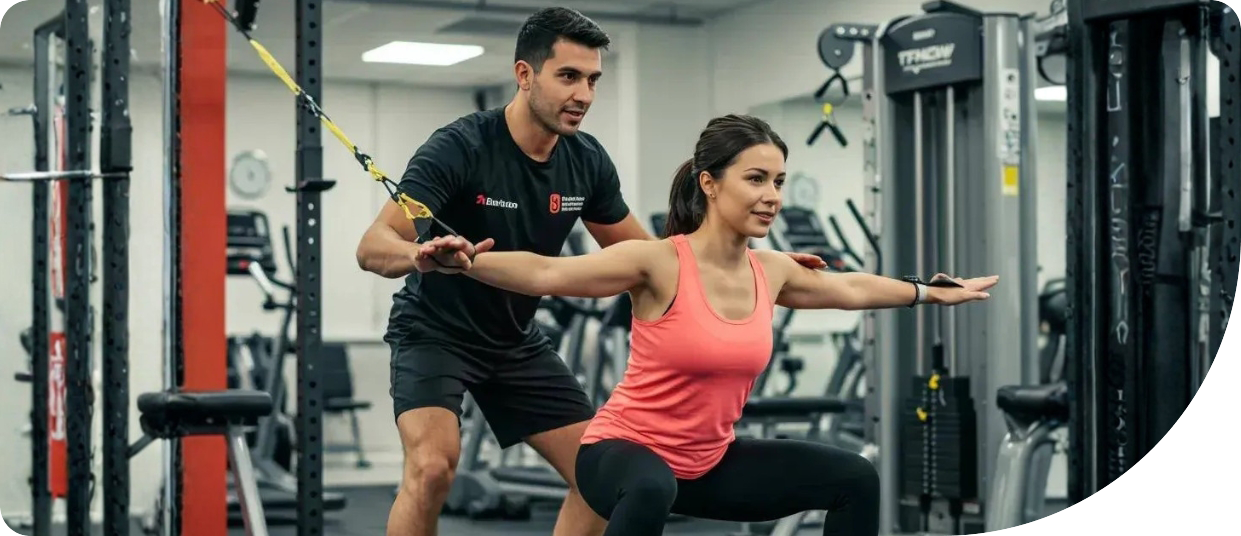
Client engagement in personal training is the ongoing connection between trainer and client that drives attendance, adherence, and measurable progress, directly affecting retention, outcomes, and referrals. This article explains why engagement matters and lays out practical, evidence-informed strategies personal trainers use to sustain motivation, personalise programs, and communicate effectively. You will learn key engagement techniques, communication skills, goal-setting and progress tracking methods, community-building tactics, technology tools that complement in-person coaching, feedback systems for continuous improvement, and retention and loyalty programs suited to modern fitness services. The guide is designed for trainers and studio managers seeking actionable steps to improve client motivation strategies, and for clients who want to understand how effective trainer practices lead to better results. Each section contains clear examples, short templates, and comparison tables to help you implement methods that increase client commitment and long-term adherence.
What Are the Key Personal Trainer Client Engagement Strategies?
Client engagement strategies are the set of practices trainers use to motivate clients, personalise programming, and create accountability so clients remain active and committed. These strategies work by aligning training to client motivation, using measurable goals and feedback loops, and incorporating social and technological supports that increase perceived value and convenience. Engaged clients attend sessions more consistently, report higher satisfaction, and progress faster toward their objectives. The following list summarises the top strategies trainers should prioritise and explains briefly why each one works.
Top personal trainer client engagement strategies explained:
- Personalised programming: Tailoring strength, conditioning, and mobility to individual goals increases perceived relevance and adherence.
- Motivational interviewing: Exploring intrinsic motivators uncovers sustainable reasons for behavior change.
- SMART goal setting: Specific, measurable goals create clear short-term wins and long-term direction.
- Regular progress tracking: Visual metrics and charts make improvement tangible and motivate continued effort.
- Structured accountability: Check-ins, reminders, and commitments reduce missed sessions and drop-out.
- Community and group elements: Peer support and challenges provide social reinforcement for behavior change.
- Rehabilitation-led care: Specialist expertise for back pain or pelvic floor issues builds trust and keeps clients engaged.
- Blended technology workflows: Apps, wearables, and virtual check-ins maintain contact between sessions.
These strategies work in combination: personalised programming establishes relevance, progress tracking shows improvement, and accountability plus community sustain adherence, which leads naturally into how understanding client motivation improves engagement.
How Does Understanding Client Motivation Improve Engagement?
Understanding client motivation distinguishes short-term compliance from long-term commitment by separating intrinsic drivers from extrinsic incentives. Trainers who use motivational interviewing and targeted consultation questions uncover deeper reasons for change, such as improved daily function or confidence, which foster intrinsic motivation and durable habits. Practical consultation prompts include asking about meaningful activities clients want to maintain, barriers they anticipate, and past successes to reinforce self-efficacy. Applying behavior-change techniques like small, achievable commitments and celebrating early wins converts intention into routine, increasing session attendance and adherence.
Clear transitions from motivation to program design are essential because once motivation is understood, trainers can craft personalised training approaches that directly match those drivers and life contexts.
Motivational Interviewing: A Proven Method for Facilitating Client Behaviour Change
Motivational Interviewing (MI), a method of interacting with clients, is a well-tested and established approach with a strong evidence base for facilitating behaviour change. It is a collaborative, goal-oriented style of communication with particular attention to the language of change. It is designed to strengthen personal motivation for and commitment to a specific goal by exploring and resolving the ambivalence that clients may feel or present.
Motivational interviewing in health care: helping patients change behavior, CC Butler, 2008
Which Personalised Training Approaches Increase Client Commitment?
Personalised approaches that combine strength, conditioning, and mobility tailored to a client’s lifestyle dramatically raise perceived value and adherence rates. For example, mobility-first plans for older adults prioritise pain-free function and daily independence, while strength-focused programs for busy professionals emphasise time-efficient compound lifts and progressive overload. Progression frameworks, exercise substitutions for injuries, and flexible scheduling maintain momentum when life events disrupt routines. Co-creating the plan with clients, agreeing on priorities, frequency, and measurable milestones, builds ownership and makes accountability feel collaborative rather than prescriptive. Wellness on Shore’s personal training model exemplifies this evidence-based tailoring: trainers design bespoke strength, conditioning, and mobility programs that align with individual goals and rehabilitation needs, supporting adherence through measurable progression and practical home strategies.
How Do Rehabilitation and Specialised Care Boost Client Involvement?
Rehabilitation and specialist expertise, such as pelvic floor strength, back pain recovery, and pre-/post-menopausal support, build client trust and reduce fear of exercise, which increases adherence and long-term engagement. When trainers or allied therapists can identify and manage clinical limitations, clients feel safer returning to regular training and are more likely to follow programs consistently. Illustrative mini-case examples show that incremental improvements in pain levels or function produce strong motivation to continue, especially when progress is documented. Integrating rehabilitation milestones into broader training goals creates a measurable pathway from clinic-style recovery to higher-intensity conditioning, reinforcing commitment over time.
Trust created by specialist care also makes clients more receptive to other engagement tools like community challenges and tech-enabled tracking, which we explore in the following section on communication skills.
How Can Personal Trainers Use Communication Skills to Strengthen Client Relationships?
Communication skills are the primary mechanism by which trainers translate programs into client action because clear coaching cues, empathy, and structured feedback close the gap between intention and execution. Effective communication defines expectations, clarifies technique, and frames progress so clients understand what success looks like and how to achieve it. Trainers who practice active listening, use positive framing, and deliver timely, specific feedback see higher adherence and satisfaction. The next paragraphs break down verbal and non-verbal techniques, active listening steps, and feedback methods trainers can adopt immediately.
Practical verbal and non-verbal techniques make instructions clear and build rapport by using consistent language, demonstrations, and body language that models intent.
What Verbal and Non-Verbal Communication Techniques Enhance Client Trust?
Verbal techniques include short, actionable coaching cues, positive framing of progress, and concise explanation of exercise purpose, all of which help clients apply instruction without overload. Non-verbal techniques, steady eye contact during key teaching moments, appropriate demonstration of movement, and open posture, signal competence and empathy, increasing client confidence. Sample phrases that promote autonomy include “Which option feels manageable this week?” and “Let’s try a lighter variation to focus on form.” Avoiding jargon and checking understanding with quick reflective questions ensures clarity and reduces misunderstandings that can erode trust over time.
These communication practices naturally lead into how active listening uncovers needs and informs program adjustments that sustain engagement.
How Does Active Listening Address Clients Needs Effectively?
Active listening is a structured process of reflecting, summarising, and asking clarifying questions so trainers accurately identify priorities, constraints, and emotional barriers. A short consultation exchange might begin with an open question about recent training experiences, proceed to reflective summaries that confirm understanding, and close with a co-created action step that addresses the concern. This method identifies hidden obstacles such as fatigue, stress, or time scarcity that otherwise undermine adherence, and it signals respect for the client’s perspective. Regular use of active listening increases perceived trainer support and keeps programs aligned with evolving client realities.
When trainers combine active listening with deliberate feedback systems, they create dependable touchpoints that motivate sustained participation.
Which Feedback Methods Encourage Continuous Client Participation?
Effective feedback combines immediate technical cues for safe execution, short-term performance metrics, and monthly progress summaries that highlight trends and reinforce commitment. Deliver immediate corrective feedback during sessions, provide weekly micro-goals for skill practice, and send concise monthly summaries showing measurable improvements. Templates such as a three-line session note, what went well, what to improve, and the next target, keep communication streamlined. Balancing qualitative encouragement with quantitative evidence of progress leverages both emotion and reason to maintain consistent engagement.
Transitioning from feedback to measurable goals requires clear SMART targets and visual tracking methods that make progress obvious.
How Does Goal Setting and Progress Tracking Drive Client Retention in Personal Training?
Goal setting and progress tracking convert ambition into observable outcomes, which sustains motivation and reduces dropout by providing frequent success signals. SMART goals create a scaffold where short-term tasks link to long-term aspirations, and visual tracking, charts, photos, and performance logs, makes incremental gains visible. Celebrating milestones reinforces identity change and rewards persistence, while structured reassessments keep programs responsive. The following sections define SMART goals, explain visual tracking methods, and outline milestone strategies with an EAV comparison table to help trainers choose goal types that suit their clients.
SMART goal frameworks are the logical next step after feedback systems because they channel adjustments into measurable targets that reinforce continued effort.
What Are SMART Goals and How Do They Motivate Clients?
SMART goals are Specific, Measurable, Achievable, Relevant, and Time-bound targets that convert vague desires into actionable plans and frequent wins. A sample SMART goal could be: “Increase back squat load from 40kg to 50kg over 10 weeks by adding two strength sessions per week and progressive 2.5kg increments every fortnight.” Co-creation involves setting one performance metric, one habit-based metric, and a timeline, which gives clients clarity and ownership. Coaches who review SMART goals monthly and adjust them based on performance maintain challenges without overwhelming clients, which increases commitment and retention.
Using SMART goals leads naturally to visual strategies that make progress tangible and accountable for the client.
SMART Goal-Setting for Intrinsic Motivation and Exercise Engagement
Sustaining long-term motivation for exercise remains a challenge within health and fitness, particularly when extrinsic factors such as weight loss dominate motivational strategies. This study investigates the role of behavioural SMART (Specific, Measurable, Achievable, Relevant, Time-bound) goal-setting in fostering intrinsic motivation, a self-driven form of engagement, among participants in a structured fitness programme. The primary aim was to evaluate the effectiveness of a SMART goal-setting curriculum in promoting intrinsic motivation and behaviour-based goals over external outcomes like weight reduction.
SMART Goal-Setting on Behaviors to Enhance Intrinsic Motivation for Exercise: A Pilot Study with Orangetheory Fitness Participants, 2025
Introductory table explaining goal types and attributes:
How Can Visual Progress Tracking Improve Client Accountability?
Visual tracking turns abstract progress into concrete evidence using tools like progress charts, session logs, performance heatmaps, and photos, which clarify trends and motivate clients to continue. Implement visual dashboards where clients can see weekly attendance, strength numbers, mobility scores, and subjective wellness ratings to connect effort with outcomes. Simple leaderboards for group challenges and before/after photos for functional improvements provide social proof and personal satisfaction. Consistent visual feedback reduces ambiguity about progress and supports informed adaptations during monthly reviews.
Effective visuals bridge feedback to celebration by highlighting milestones worth acknowledging publicly or privately.
Why Is Celebrating Milestones Important for Long-Term Engagement?
Recognising milestones, first unassisted pull-up, pain-free movement, or consistent attendance, reinforces identity change and rewards persistence, which strengthens intrinsic motivation. Low-cost celebrations include public shout-outs in group classes, digital badges in client apps, milestone emails, and small token rewards that mark progress without incentivising unhealthy shortcuts. Timing celebrations at meaningful thresholds (e.g., monthly progress checks or after a recovery phase) amplifies their psychological impact. These rituals transform effort into recognition and help clients internalise the behaviors that support sustained fitness participation.
Acknowledging milestones provides natural opportunities to invite clients into community challenges and peer support initiatives.
What Role Does Building a Supportive Client Community Play in Engagement?
A supportive community supplies social reinforcement, accountability, and friendly competition that transforms isolated workouts into group experiences, increasing adherence and enjoyment. Communities can be in-person through group classes and studio events, and online via moderated groups or challenge platforms; both formats deliver different strengths such as immediacy or extended reach. Effective community building uses structured challenges, clear onboarding, regular social touchpoints, and inclusive recognition to maintain momentum. The next subsections explain group challenges, online/offline community tactics, and how community support addresses common motivation barriers.
Community mechanisms naturally lead into practical group challenge designs that produce measurable retention benefits.
How Do Group Challenges and Social Interaction Foster Client Loyalty?
Group challenges create shared goals, consistent accountability, and a sense of belonging by placing individuals into a cohort pursuing similar tasks over a defined period. A sample 4-week challenge might include weekly performance targets, peer check-ins, leaderboard updates, and a group celebration to maintain engagement. Design elements that work include achievable daily tasks, tiered rewards for consistency, and visible progress tracking to spark friendly rivalry. Social interaction during and between sessions increases social capital, which converts new clients into long-term supporters of the trainer and studio.
Well-structured challenges also feed into online platforms and retention programs, enhancing the trainer’s ability to track and reward participation.
What Are Effective Ways to Create Online and Offline Fitness Communities?
Effective community creation blends in-studio meetups with online channels like private groups for accountability, as well as class series that build familiarity and routine. Platform choices should consider ease of use, privacy controls, and ability to post reminders or celebrate milestones; moderators must guide discussion and maintain a positive tone. Hybrid events, short workshops followed by online check-ins, extend engagement beyond scheduled sessions and engage busy clients. Moderation practices, clear community rules, and regular prompts (polls, challenges, Q&A) keep participation high and productive.
Combining offline energy with online continuity reduces friction and keeps clients connected between sessions.
How Does Community Support Help Overcome Client Motivation Barriers?
Community support addresses common barriers like time constraints, low confidence, and setbacks by offering peer encouragement, shared strategies, and practical accountability. Scripts for peer check-ins, buddy systems for missed sessions, and recovery-focused groups help clients re-engage after lapses. Facilitating small-group peer coaching sessions gives lower-pressure opportunities to build competence and social ties. These mechanisms reduce isolation, normalise temporary setbacks, and create multiple pathways back into consistent training.
Referencing local community intent, Wellness on Shore uses class bookings and group sessions to foster this kind of supportive environment, combining in-studio classes with community education to help clients sustain progress.
How Can Technology Enhance Personal Trainer Client Engagement and Retention?
Technology extends the trainer’s reach and consistency by maintaining contact between sessions, automating reminders, and providing objective data that informs programming. Apps can deliver workouts, video demos, and habit tracking; wearables contribute heart-rate, sleep, and activity metrics; virtual sessions preserve continuity when in-person meetings aren’t possible. AI can personalise programming at scale and flag clients at risk of drop-off. The following sections compare apps and wearables, explain virtual session workflows, and outline AI benefits with an EAV comparison to guide implementation choices.
Integrating technology should support human coaching rather than replace it, enabling better client tracking and more timely intervention.
Which Apps and Wearables Support Customised Training Plans?
Apps that support custom plans provide workout delivery, video demonstrations, progress logging, and two-way messaging, which maintain engagement on non-training days. Wearables contribute heart-rate variability, sleep duration, and daily step counts that can inform intensity adjustments and recovery recommendations. Recommended integration tips include choosing platforms with simple client onboarding, reliable data export, and the ability to sync wearable outputs into session notes. Data from wearables informs programming by highlighting recovery needs, readiness, and adherence patterns, enabling trainers to personalise load and avoid overtraining.
Introductory comparison table of technology options:
Summary: A blend of apps for habit support, wearables for objective load data, and virtual sessions for continuity creates a hybrid model that sustains client engagement.
Wellness on Shore could integrate simple coaching apps, wearable data summaries, and scheduled virtual check-ins to complement in-studio training, preserving continuity and personalised oversight while clients train independently.
How Do Virtual Sessions and Automated Check-Ins Maintain Client Connection?
Virtual sessions provide real-time coaching when clients travel or face scheduling conflicts, preserving technical feedback and accountability; automated check-ins (SMS or app prompts) maintain consistent touchpoints that reduce drop-off. A practical hybrid weekly schedule might include two in-person sessions, one virtual technique review, and two automated check-ins for adherence and perceived support. Templates for automated messages, brief positive reinforcement, weekly targets, and a single metric prompt, keep communication light and actionable. Automation frees trainer time while ensuring no client goes unmonitored for extended periods, which reduces attrition risk.
Balancing automation with high-touch interactions allows trainers to scale client loads without sacrificing relational depth.
What Are the Benefits of AI Integration for Personal Training Engagement?
AI tools can personalise exercise progressions, surface clients at risk of disengagement based on behavioral patterns, and generate adaptive home programs that maintain progression between sessions. Practical AI use-cases include automated micro-adjustments to training loads based on wearable data, predictive alerts for missed workouts, and templated motivational messages that free trainers for higher-value interactions. Considerations include data privacy, interpretability of AI recommendations, and ensuring human oversight to preserve clinical judgment. When used thoughtfully, AI increases a trainer’s capacity to maintain frequent, relevant contact and to allocate attention to clients who most need personalised support.
These technology approaches integrate closely with feedback loops and retention programs covered next.
How Does Client Feedback and Continuous Improvement Increase Engagement Levels?
Systematic client feedback identifies satisfaction drivers, uncovers friction points, and informs iterative program improvements that keep clients engaged. Combining short surveys, session notes, and periodic one-on-one conversations creates a closed feedback loop where clients see their input acted upon, which strengthens trust. Trainers who prioritise feedback use quick surveys after onboarding, monthly satisfaction check-ins, and structured re-assessments to adjust goals and training variables. The subsections below offer best practices for collecting feedback, adapting programs, and structuring one-on-one discussions that support continuous improvement.
Feedback mechanisms naturally feed into adaptation checklists and one-on-one meeting structures that drive retention.
What Are Best Practices for Collecting and Using Client Feedback?
Best practices include using short, focused surveys at logical intervals (after four weeks and quarterly), combining Likert-scale items with one open question, and closing the loop by reporting back changes made in response to feedback. Timing surveys around milestones and reassessments increases relevance and response rates. Action protocols should include assigning follow-up tasks, scheduling a short review call, and documenting agreed changes in the client’s plan. Demonstrating that feedback leads to concrete adjustments increases client trust and encourages future sharing of concerns.
This systematic feedback approach leads directly into practical adaptation steps trainers can take based on client input.
How Can Trainers Adapt Programs Based on Client Input?
Trainers should apply a simple adaptation checklist: assess the feedback source, prioritise changes that affect safety or adherence, implement small weekly adjustments, and document outcomes at the next review. Minute-by-minute session tweaks might alter exercise selection, load, or tempo, while monthly program refreshes can change periodisation or introduce new focuses to prevent plateaus. Co-creating adaptations with clients preserves autonomy and increases buy-in, while measuring impact with objective metrics confirms effectiveness. A routine re-assessment cadence (every 4–8 weeks) ensures changes are data-informed rather than reactive.
Adapting programs reliably depends on structured one-on-one discussions that surface underlying barriers and re-establish motivation.
Why Are One-on-One Discussions Vital for Client Satisfaction?
Dedicated one-on-one meetings provide space to explore personal goals, emotional barriers, and life events that affect training, enabling tailored solutions and renewed commitment. A productive meeting follows a short agenda: review recent progress, identify barriers, agree on adjustments, and set the next check-in, normally lasting 20–30 minutes. These conversations surface issues that short session notes miss and reinforce the trainer-client relationship through focused attention. Regularly scheduled one-on-ones reduce surprise drop-outs by catching dissatisfaction early and converting it into collaborative action.
These personalised interactions dovetail into retention and loyalty programs aimed at sustaining long-term client relationships.
What Are Effective Client Retention and Loyalty Programs for Personal Trainers?
Retention and loyalty programs formalise incentives and relationship-building activities that increase lifetime client value and reduce churn. Effective tactics include referral incentives, milestone recognition, tiered reward schemes, and a long-term touchpoint calendar that evolves the program as the client progresses. Implementation requires measuring KPIs like retention rate, referral volume, and average session frequency, and running low-effort rituals that maintain perceived value. The following subsections discuss referral and reward designs, long-term relationship strategies, and quick interventions for common engagement challenges, accompanied by an EAV table comparing retention tactics.
Referral and retention tactics are most effective when combined with the communication and feedback systems described earlier.
How Do Referral and Reward Programs Encourage Long-Term Client Loyalty?
Referral programs encourage clients to introduce peers by offering rewards tied to meaningful behaviors, such as a free session after three paid referrals or class credit for both referrer and referee. Reward design principles favor low-friction rewards, tiered incentives for repeating behavior, and transparent tracking to maintain trust. Measurement should track referral conversion rates and revenue per referral to assess ROI. Simple reward structures that reinforce attendance, such as milestone credits or community recognition, encourage clients to invest in both their own and the studio’s long-term success.
Introductory table comparing retention tactics:
Summary: Combining referrals with milestone recognition creates both acquisition and retention effects that compound over time.
Autonomous Motivation and Implementation Intentions for Personal Training Client Adherence
Personal fitness trainers, working within their scope of practice, are uniquely positioned to encourage client adherence to dietary changes that align with the Dietary Guidelines for Americans (DGA). Some research indicates that the quality of an individual’s motivation may influence goal success, and that implementation intentions may be an effective strategy for promoting goal adherence among those with autonomous motivation. However, little is known about the relationship between motivation type, implementation intentions, and goal adherence among personal training clients interested in improving their dietary habits.
The Effects of Autonomous Motivation and Implementation Planning on Dietary Goal Adherence Among Personal Training Clients, 2018
What Strategies Build Strong Trainer-Client Relationships Over Time?
Long-term relationship strategies include a scheduled touchpoint calendar (weekly check-ins, monthly reviews, quarterly reassessments), evolving program content to match progressing ability, and personalised acknowledgments for life events and achievements. A suggested 6–12 month engagement calendar sequences onboarding, short-term wins, transitional re-assessments, and renewal conversations to maintain alignment. Personal touches, such as celebrating personal milestones and offering tailored upskilling sessions, reinforce loyalty. These predictable touchpoints reduce attrition by maintaining relevance and demonstrating ongoing investment in client outcomes.
Integrating allied services like massage or physiotherapy for clients who need clinical support also preserves continuity and satisfaction.
How Can Personal Trainers Overcome Common Engagement Challenges?
Common barriers, plateaus, life events, motivation dips, are managed with immediate interventions (program refresh, micro-goals, temporary schedule changes), accountability resets (short-term challenges, buddy systems), and referrals to allied health when clinical issues impede progress. Quick-win interventions might include introducing novel modalities, simplifying home plans during busy periods, and scheduling a one-on-one to re-align goals. Longer-term mitigation includes periodised programming, resilience-building education, and integrated care pathways for rehab needs. Knowing when to escalate to allied practitioners such as physiotherapists or remedial massage therapists preserves client health and avoids drop-out due to unmanaged pain.
Wellness on Shore’s holistic mix of personal training, massage, and physiotherapy offers a practical pathway for escalation when clients need specialist allied care to remain engaged.
For trainers and studios seeking to convert these strategies into action, consider offering a clear pathway from initial consultation through to community events and adaptive tech-supported programs that keep clients engaged across multiple touchpoints.
Wellness on Shore in Chiswick, Australia provides personal training integrated with massage and physiotherapy support, and offers community class bookings and educational sessions that mirror many of the engagement practices described above. Trainers such as Lisa and Emma specialise in personalised strength, conditioning, and mobility programming, while Mauricio, Natasha, and others contribute allied expertise for rehabilitation-focused care; this combination shows how a holistic service mix supports both engagement and recovery. If you want to experience evidence-based, rehabilitation-aware personal training combined with community classes and multidisciplinary support, book a consultation or class with Wellness on Shore to explore tailored options and trainer profiles.