

An infrared sauna uses radiant heat to warm the body directly, producing physiological responses that support recovery, pain relief and relaxation. This article explains what infrared sauna technology is, why it penetrates tissues differently from conventional saunas, and which measurable benefits, muscle recovery, joint pain reduction, improved sleep, skin clarity and cardiovascular support, are supported by recent research. Readers will learn practical session protocols, safety considerations and how infrared therapy can be combined with hands-on services such as massage, personal training and yoga for better outcomes. The following sections map technology, clinical mechanisms, relaxation and sleep effects, detox and skin impacts, cardiovascular and immune responses, and guidance on who benefits most. Throughout, terms like far infrared, full-spectrum, heat shock proteins and vasodilation are defined and connected to actionable advice so you can evaluate whether infrared sauna therapy fits your recovery or wellness plan.
What Is an Infrared Sauna and How Does It Work?
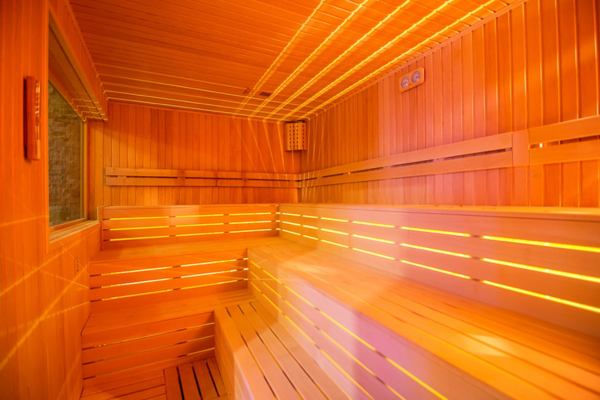
An infrared sauna is a type of heat therapy that uses infrared-emitting panels to deliver radiant energy which penetrates skin and superficial tissues, raising core and local tissue temperature at lower ambient air temperatures than traditional saunas. Mechanistically, infrared wavelengths (near, mid, far) transfer energy that increases microcirculation, stimulates vasodilation and can activate heat shock proteins that support cellular repair. The result is improved circulation, metabolic activity in heated tissues and a comfortable user experience that many find easier to tolerate than high-temperature steam or dry saunas. Understanding these distinctions helps users choose the appropriate type of infrared system and session length for specific recovery or relaxation goals.
How Does Far Infrared Technology Penetrate Deep Tissues?
Far infrared (FIR) operates at longer wavelengths that are absorbed more readily by water and biological tissues, allowing heat to reach several millimetres beneath the skin surface without extremely high air temperature. This penetration increases local blood flow and tissue oxygenation, which supports nutrient delivery and removal of metabolic by-products in muscles and joints. Recent studies from 2020–2023 highlight that FIR exposure can stimulate expression of heat shock proteins, cellular chaperones involved in repair and inflammation modulation. Taken together, FIR’s combination of penetration depth and physiological signalling explains why many athletes and chronic pain sufferers use infrared sessions as an adjunct recovery modality.
Infrared Sauna for Muscular Recovery and Relaxation
In conclusion, the deep penetration of infrared heat (approximately 3–4 cm into adipose tissue and the neuromuscular system) at mild temperatures (35–50°C) and low humidity (25–35%) during Far-Infrared Sauna (FIRS) bathing appears to be beneficial for neuromuscular system recovery following maximal endurance performance. FIRS bathing imposes a very light load on the body and offers a comfortable and relaxing experience.
What Makes Infrared Sauna Different from Traditional Saunas?
Infrared saunas deliver radiant heat directly to the body, while traditional saunas rely on convective heat and steam to warm the surrounding air; this difference alters user tolerance and session parameters. Typical infrared sessions are comfortable at lower ambient temperatures (often 40–60°C) compared with conventional saunas, enabling longer, more tolerable exposures that still raise core temperature and heart rate. Practically, infrared systems often use carbon or ceramic heaters and targeted panels, which changes seating arrangements and heat distribution compared with bench-centric traditional saunas. These differences mean infrared therapy can be more accessible for older adults, people sensitive to high heat or anyone seeking prolonged passive heating for recovery.
Introductory comparison of common infrared types and characteristics precedes a concise technical table that clarifies wavelengths and typical operating ranges.
This table clarifies the hyponym relationships among infrared types and their expected tissue-level effects, helping readers select the appropriate modality for their goals.
The operational contrast above shows why infrared is often chosen for tolerable, targeted tissue heating rather than the extreme ambient heat of traditional saunas. Understanding heater types and wavelength effects informs safe and effective session planning.
What Are the Key Health Benefits of Using an Infrared Sauna?

Infrared sauna therapy delivers multiple health benefits through physiological mechanisms such as increased circulation, activation of heat shock proteins and sweating-mediated clearance of metabolites. These mechanisms translate into measurable outcomes including faster muscle recovery, decreased joint pain, improved sleep and stress reduction, enhanced skin clarity and potential cardiovascular improvements like reduced systolic blood pressure. Evidence from 2020–2023 suggests consistent passive heating protocols can support inflammation modulation and vascular flexibility, though individual response varies with frequency and session duration.
Below is a concise list summarising primary benefits for featured-snippet clarity and easy scanning.
- Muscle recovery enhancement: Increased blood flow accelerates nutrient delivery and clearance of metabolic by-products after exercise.
- Pain relief for joints and soft tissue: Vasodilation and reduced inflammation lower perceived pain and stiffness.
- Stress reduction and improved sleep: Heat exposure promotes parasympathetic activation and may reduce evening cortisol.
- Skin health and collagen support: Enhanced circulation stimulates nutrient delivery and may support collagen synthesis.
- Cardiovascular conditioning: Passive heat increases heart rate and vascular flexibility, supporting blood pressure regulation.
- Immune and inflammation modulation: Heat-related signalling can influence immune cell activity and inflammatory markers.
These benefits are interrelated through shared mechanisms like vasodilation and heat shock protein induction, which makes integrated protocols valuable for multifaceted goals. The next sections unpack muscle and pain outcomes with practical timing and protocols.
How Does Infrared Sauna Enhance Muscle Recovery and Athletic Performance?
Infrared heat supports muscle recovery by increasing local blood flow, which enhances oxygen and nutrient delivery while speeding removal of lactate and metabolic waste after exercise. Heat shock proteins induced by repeated passive heating promote cellular repair pathways that assist muscle regeneration and resilience to stress. Athletes typically schedule infrared sessions post-training or competition to capitalise on enhanced circulation and repair processes; a common approach is a 20–30 minute session within two hours after exercise to support recovery. Practical protocols couple hydration, gentle cool-down and stretching to optimise outcomes and reduce risk of overheating.
Can Infrared Sauna Provide Effective Pain Relief for Chronic Conditions?
Infrared therapy reduces pain through several converging mechanisms: improved microcirculation, decreased local inflammation and neuromodulatory effects that alter pain perception. Clinical reports and recent trials identify benefit signals for conditions such as osteoarthritis and chronic soft-tissue pain when infrared is used regularly as part of a multimodal plan. For chronic pain sufferers, combining infrared sessions with remedial massage or physiotherapy increases functional gains by addressing both tissue healing and movement quality. Always perform a safety screen for cardiovascular or medication-related contraindications before starting regular sessions.
An action-oriented checklist summarises how to apply these benefits in practice.
- For post-exercise recovery, schedule a short infrared session (15–30 minutes) within two hours of training to accelerate metabolic clearance.
- For chronic pain, start with lower intensity sessions (15 minutes) and progressively increase time as tolerated while monitoring symptoms.
- For skin and circulation goals, combine 2–3 weekly sessions with topical hydration and sun-safe skincare practices.
How Does Infrared Sauna Support Relaxation, Sleep Quality, and Stress Reduction?
Infrared sauna supports relaxation and sleep by triggering parasympathetic nervous system activity and lowering physiological arousal through heat-mediated hormonal shifts. Short-term increases in core temperature followed by gradual cooling can mimic natural thermal cycles that help initiate sleep, and reductions in evening cortisol have been reported in recent studies as a plausible pathway to improved sleep quality. The comfort of lower ambient temperatures in infrared saunas also helps users remain calm and avoid the stress associated with extreme heat exposure. Integrating infrared sessions into evening wind-down routines, combined with breathwork or gentle yoga, amplifies restorative effects and prepares the body for deeper sleep.
Infrared Saunas: Benefits for Sleep, Stress, and Recovery
Infrared saunas utilise infrared light to improve sleep quality, reduce stress levels, and accelerate recovery. These novel wellness devices directly heat bodily tissues, fostering relaxation, enhancing circulation, and supporting natural healing mechanisms.
What Role Does Infrared Sauna Play in Reducing Cortisol and Improving Sleep?
Heat exposure in an infrared session raises core temperature and activates thermoregulatory cooling afterwards, which aligns with physiological processes that facilitate sleep onset; this sequence is associated with reductions in evening cortisol and sympathetic tone. Evidence from contemporary research indicates that regular passive heating can shift circadian-related markers toward improved sleep latency and subjective restfulness. For measurable benefits, practitioners often recommend a 20–30 minute session 60–90 minutes before bedtime, followed by a cool-down period and hydration. Individuals should monitor personal responses and avoid vigorous activity immediately after a late session to preserve relaxation gains.
How Can Infrared Sauna Complement Yoga and Other Relaxation Practices?
Combining a gentle yoga or breathwork session with infrared therapy deepens parasympathetic activation and supports muscle and connective tissue relaxation. A practical sequence is a 45–60 minute restorative yoga class followed by a 15–25 minute infrared session to consolidate relaxation, increase circulation and support tissue recovery. This pairing enhances the calming effects of mindful movement while offering the thermally driven physiological benefits of infrared heat. Scheduling guidance and internal class-booking pathways help community members adopt combined practices that fit their routines and recovery needs.
How Does Infrared Sauna Aid Detoxification and Improve Skin Health?
Infrared sauna promotes sweating, which supports dermal clearance of surface impurities and transient mobilisation of certain solutes; sweating increases cutaneous blood flow and can aid pore cleansing and skin radiance. Mechanistically, improved circulation delivers nutrients required for skin repair and may stimulate collagen-producing pathways, while modest increases in core temperature can upregulate cellular stress responses associated with repair. Claims about heavy-metal detoxification through sweat should be approached cautiously: while trace excretion occurs, current evidence is limited and medical oversight is recommended for targeted detox protocols. Practical skincare measures, hydration and post-session care enhance skin outcomes.
What Is the Process of Heavy Metal Detoxification Through Infrared Sauna?
Sweat can contain trace amounts of heavy metals and metabolites, and passive heating increases sweat rates that may mobilise stored compounds from interstitial compartments. However, the proportion of heavy metals eliminated via sweat is small relative to renal and hepatic clearances, and research through 2023 emphasises the need for clinical monitoring when pursuing targeted detox strategies. Anyone seeking heavy-metal detox should consult a clinician for baseline testing and follow hydration, electrolyte replacement and medical supervision during intensive protocols. In most wellness contexts, infrared-induced sweating contributes to general dermal clearance and supportive metabolic processes rather than serving as a primary detox route.
How Does Infrared Sauna Promote Collagen Production and Skin Clarity?
Infrared exposure enhances dermal circulation and nutrient delivery, which supports fibroblast activity and collagen synthesis over time; this physiological stimulus can improve skin texture and tone. Heat-driven increases in metabolic activity also accelerate cellular turnover and pore cleansing, which can reduce congestion and promote clarity. For optimal results, pair sessions with gentle exfoliation, appropriate moisturisers and sun protection, and allow sufficient recovery between sessions to avoid skin irritation. While individual responses vary, many users observe improved skin hydration and radiance with consistent weekly sessions.
- Hydrate well before and after sessions to support skin and systemic function.
- Use gentle cleansers and avoid heavy topical products immediately before a session.
- Apply restorative moisturisers after cooling to lock in hydration and support barrier repair.
What Are the Cardiovascular and Immune System Benefits of Infrared Sauna Therapy?
Infrared sauna acts as a passive cardiovascular stimulus that raises heart rate and induces vasodilation, which over repeated sessions can improve vascular flexibility and support modest reductions in systolic blood pressure. Heat exposure increases shear stress on blood vessels, enhancing endothelial function and potentially improving circulation in at-risk populations; recent studies from 2020–2023 reinforce these vascular effects when sessions are regular and appropriately dosed. Regarding immune modulation, heat can transiently increase white blood cell activity and alter inflammatory markers, supporting resilience when combined with sleep, nutrition and other recovery behaviours. Safety screening is essential for individuals with cardiac conditions or medication sensitivities to ensure protocols are appropriate.
How Does Infrared Sauna Help Regulate Blood Pressure and Improve Heart Function?
Infrared sessions promote vasodilation and increased peripheral blood flow, which reduces vascular resistance and can lower systolic blood pressure for some users when performed consistently. This passive heat exposure acts similarly to moderate aerobic activity in raising heart rate and promoting cardiovascular conditioning without high joint loads. Evidence suggests a frequency of multiple sessions per week yields measurable improvements in blood pressure and endothelial markers, though medical consultation is required for hypertensive or cardiac patients prior to beginning therapy. Monitoring individual responses and adopting conservative session durations helps balance cardiovascular benefit with safety.
Can Infrared Sauna Boost Immune Response and Reduce Inflammation?
Heat exposure activates immune signalling pathways, including transient increases in circulating leukocytes and modulation of cytokine profiles that may reduce chronic inflammation over time. These effects complement other immune-supportive behaviours such as adequate sleep, nutrition and stress management. Recent research indicates modest anti-inflammatory outcomes with regular passive heating, but results vary by protocol and population. As part of a broader wellness strategy, infrared sessions can support immune resilience, particularly when scheduled to avoid acute infection periods and integrated with hydration and recovery practices.
Who Can Benefit Most from Infrared Sauna Therapy at Wellness on Darling?
Infrared sauna therapy suits a broad range of users, from athletes seeking faster recovery to older adults managing joint discomfort and community members pursuing stress reduction and improved sleep. Practical screening for contraindications, such as unstable cardiovascular conditions, certain medications or pregnancy, is essential, and session adaptations (shorter duration, lower intensity) make the therapy accessible for many. Wellness on Darling, based in Balmain and offering massage, infrared sauna and recovery room services, could introduce infrared sauna services as a complementary modality that enhances hands-on therapies and class-based recovery. Integrating sauna sessions with massage or post-training recovery plans can provide synergistic outcomes for clients.
Which Age Groups and Conditions Are Best Suited for Infrared Sauna Use?
Older adults often benefit from lower-temperature infrared sessions that improve circulation and joint comfort without exposure to extreme ambient heat; session adaptations such as shorter duration and seated support are recommended. Athletes and active adults use infrared to accelerate recovery and reduce muscle soreness, typically combining sessions with hydration and gentle stretching. Individuals with chronic conditions like osteoarthritis may find symptom relief when infrared is part of a multimodal plan that includes remedial massage or physiotherapy. Always perform a pre-session screening and seek medical clearance where there is cardiac disease, pregnancy or significant medication interactions.
How Can Infrared Sauna Complement Existing Wellness Services Like Massage and Personal Training?
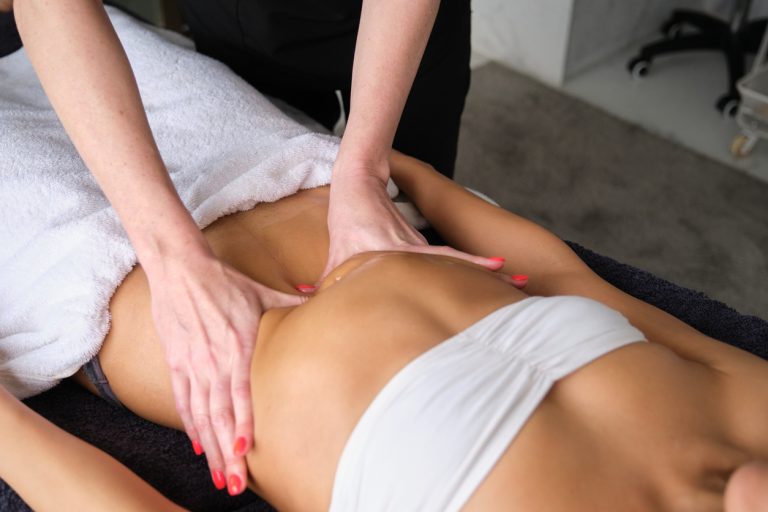
Infrared sauna sessions can be scheduled after remedial massage to extend circulation-based relaxation and tissue recovery, or placed after moderate-intensity training to speed metabolic clearance and reduce soreness. Personal trainers can incorporate infrared sessions into periodised recovery plans, advising 20–30 minute exposures 1–3 times per week depending on training load and adaptation goals. Wellness on Darling’s blend of remedial massage, personal training and community yoga positions the centre to offer integrated packages that combine movement, hands-on therapy and passive heat for community members in Balmain. A soft call-to-action invites clients to discuss personalised plans or book a consultation to align sauna sessions with existing class and therapy schedules.
A brief contraindications list emphasises screening priorities.
- Individuals with unstable cardiovascular conditions or recent cardiac events should not use infrared without medical clearance.
- Pregnant people should avoid infrared sessions unless approved by their healthcare provider.
- Certain medications that impair thermoregulation or cause hypotension require professional review prior to starting sessions.
Wellness on Shore community-focused approach in Balmain, centred on massage, infrared sauna and recovery room services. By combining practitioner-led screening, tailored session protocols and clear scheduling guidance, the centre can help members integrate infrared into recovery routines while preserving safety and efficacy. Readers interested in combining sauna with existing classes or therapies are encouraged to consult on-site practitioners to create personalised programmes that align with their health goals.