
Infrared saunas use light-based heat to warm tissues directly, promoting recovery, skin health, cardiovascular support and stress reduction through deep but lower-temperature heating. This guide explains what an infrared sauna is, how it differs from traditional saunas, and the physiological mechanisms, sweating, vasodilation and heat-shock responses, that underlie the most commonly reported benefits. Readers will learn evidence-informed explanations for pain relief, detoxification, improved sleep and circulation, plus practical session guidance and safety considerations for different populations. The article maps across core questions: how infrared heat works, the key health benefits with an easy-reference EAV table, skin and anti-ageing effects with practical tips, cardiovascular mechanisms and safety, stress and sleep strategies, and which clients gain most when infrared therapy is integrated with massage, yoga and personal training. Throughout, recent research perspectives (current to mid-2024) are referenced to frame practical recommendations for use in wellness practice and at practitioner-led centres.
What Is an Infrared Sauna and How Does It Work?
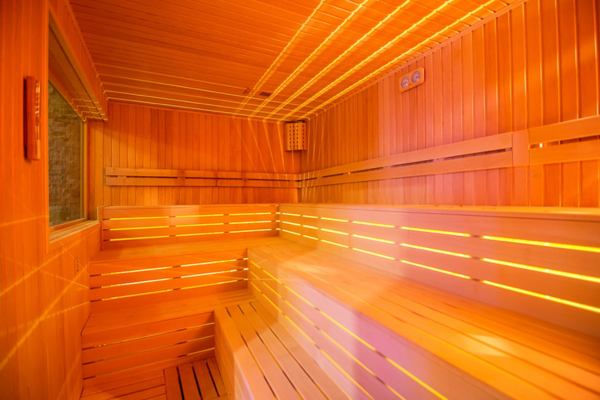
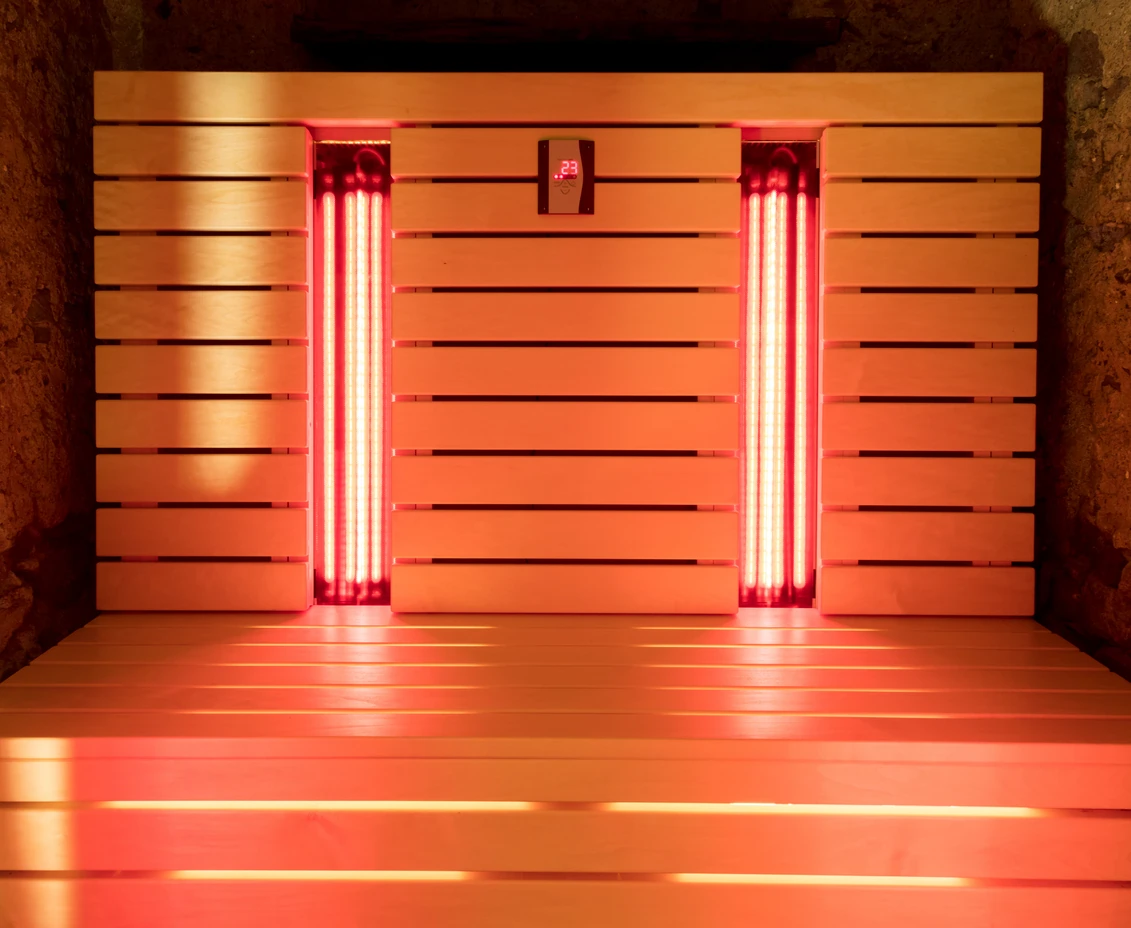
An infrared sauna is a form of passive thermotherapy that uses infrared panels to emit electromagnetic waves which penetrate the skin and warm tissues directly, rather than primarily heating ambient air. The mechanism relies on near, mid and far-infrared wavelengths reaching superficial and deeper layers of tissue to raise local temperature, increase blood flow and stimulate sweat glands, producing physiological responses similar to mild exercise. These direct-penetration effects make sessions comfortable at lower cabin temperatures while still triggering metabolic and cardiovascular adjustments. Understanding this direct heating mechanism clarifies why infrared saunas are often chosen for recovery and relaxation and sets up comparisons with traditional wet or steam saunas in the next section.
How Does Infrared Heat Differ from Traditional Saunas?
Infrared heat differs from traditional convective saunas by warming the body directly using infrared emitters rather than relying on very hot air to heat the skin and surroundings. Temperatures in infrared cabins are typically lower, which many users find more tolerable, while the deeper penetration can produce pronounced local circulation and muscle relaxation. Because infrared sessions tend to raise heart rate and induce sweating without extreme ambient heat, they may be accessible to people who find high-temperature saunas uncomfortable; this difference informs clinical and practical choice. The next subsection describes the immediate physiological timeline you can expect during a typical infrared session and why those responses matter for recovery and wellbeing.
What Happens to Your Body During an Infrared Sauna Session?
A typical infrared sauna session begins with skin and peripheral blood vessels warming, followed by an increase in local blood flow and mild elevation of heart rate; sweating usually starts within several minutes depending on hydration and individual factors. The rise in tissue temperature promotes muscle relaxation and increases clearance of metabolic by-products, while heat-shock proteins and vasodilatory mediators support cellular repair and circulation. Session length and frequency determine the cumulative effect; short, regular exposures emphasise recovery and autonomic balance, while occasional longer sessions amplify cardiovascular stimulus. These acute physiological effects form the foundation for the primary health benefits, which we will examine next.
What Are the Key Health Benefits of Infrared Saunas?
Infrared sauna therapy delivers several core health benefits through overlapping mechanisms, improved circulation, pain reduction, metabolic activation and relaxation, that together support recovery and general wellness. Current research and practitioner reports indicate meaningful effects for cardiovascular function, muscle recovery and stress reduction, while the skin and detoxification pathways provide secondary but valuable outcomes. For clarity, the list below distils the principal benefits and the immediate mechanism by which each arises.
Infrared sauna therapy produces these primary benefits:
- Cardiovascular Support: Vasodilation and increased peripheral blood flow improve circulation and can reduce vascular resistance.
- Pain Relief and Muscle Recovery: Heat-induced muscle relaxation and improved nutrient delivery aid recovery after exertion.
- Detoxification and Immune Support: Deep sweating promotes elimination of sweat-borne compounds and supports immune readiness.
- Skin Health and Anti-Ageing: Collagen-supporting responses and enhanced circulation contribute to complexion and texture.
- Stress Reduction and Sleep Improvement: Activation of the relaxation response lowers sympathetic tone and helps sleep onset.
These broad benefits make infrared saunas a versatile adjunct to rehabilitation, sports recovery and wellbeing programmes. To make these claims easy to scan, the table below summarises the main benefits with mechanisms and expected outcomes.
This table summarises primary benefits, how they work, and typical outcomes.
This EAV summary highlights how overlapping mechanisms deliver multi-system benefits and helps guide practical session choices for different goals. After reviewing benefits, a sensible next step is to consider specific mechanisms for pain relief and detoxification, which the following subsections address.
How Does Infrared Sauna Therapy Promote Pain Relief and Muscle Recovery?
Infrared sauna sessions promote pain relief and muscle recovery by raising tissue temperature, which increases local circulation and facilitates the removal of metabolic wastes that can cause soreness. Heat also reduces muscle spindle activity and increases extensibility of connective tissue, producing measurable reductions in stiffness and perceived pain. For athletes and active clients, scheduling an infrared session after training can enhance recovery when combined with hydration and gentle cooldown practices. Integration with manual therapies such as massage or targeted stretching amplifies repair and mobility gains, leading naturally into how infrared supports detoxification and immune function.
Research indicates that post-exercise infrared sauna sessions can significantly improve the recovery of neuromuscular performance and reduce muscle soreness following resistance exercise training.
Infrared Sauna Enhances Post-Exercise Recovery of Muscle Performance and Reduces Soreness
A post-exercise infrared sauna session improves recovery of neuromuscular performance and muscle soreness following resistance exercise training. Biology of Sport. 2023;40(3):681-689. doi:10.5114/biolsport.2023.119289.
A post-exercise infrared sauna session improves recovery of neuromuscular performance and muscle soreness after resistance exercise training, J Ihalainen, 2023
In What Ways Does Infrared Sauna Support Detoxification and Immune Health?
Infrared-induced perspiration mobilises sweat-borne compounds and stimulates lymphatic circulation, offering a route for skin-mediated removal of certain toxins and metabolic by-products while supporting immune surveillance. While enthusiastic claims outpace evidence for broad systemic detoxification, controlled sweat responses clearly alter skin microenvironment and can assist clearance of some heavy metals and organic compounds according to recent analyses. Safe practice, adequate hydration, moderated session duration and appropriate frequency, maximises benefits while minimising strain on the body. Understanding these practical safety points sets up useful guidance for skin-specific outcomes explored next.
How Can Infrared Saunas Improve Skin Health and Anti-Aging?
Infrared heat supports skin health by increasing dermal blood flow and stimulating molecular pathways like heat-shock proteins that assist cellular repair and collagen maintenance, which together improve tone and elasticity. Regular, moderate sessions can support complexion through improved nutrient delivery and waste removal, with potential for reduced inflammation in some inflammatory skin conditions. Coupled with topical skincare and hydration, infrared therapy can be an effective adjunct for visible skin improvements over weeks to months. The table below compares skin-related mechanisms and what users can practically expect when integrating sauna sessions with skincare routines.
This table compares skin-related processes, the biological action triggered by infrared heat, and practical results clients might observe.
These mechanisms explain why skin benefits often appear gradually and are optimised when sessions are combined with hydration and appropriate skincare. The next subsections outline the molecular role for collagen support and practical guidance for acne and inflammatory skin types.
What Role Does Infrared Sauna Play in Collagen Production and Complexion?
Infrared heat triggers heat-shock proteins that assist cellular repair processes and may stimulate fibroblast activity involved in collagen turnover, which supports gradual improvements in skin firmness and texture. Enhanced dermal circulation supplies oxygen and nutrients that facilitate skin repair and the synthesis of structural proteins, while repeated sessions help sustain these reparative cycles. Visible improvements typically require multiple sessions over weeks, and combining infrared therapy with topical antioxidants and moisturising routines enhances outcomes. Practical frequency recommendations and complementary skincare steps help readers translate mechanisms into routines.
Can Infrared Sauna Therapy Help Reduce Acne and Skin Inflammation?
Infrared therapy may reduce certain inflammatory drivers of acne by improving microcirculation and promoting gentle exfoliation through sweating, which can lower bacterial load on the skin surface when followed by appropriate cleansing. However, individuals with active severe acne, eczema or specific dermatological conditions should seek dermatologist advice before regular sauna use, because heat may exacerbate some inflammatory responses. For mild inflammatory acne, short, monitored sessions with post-session cleansing and moisturisation can be beneficial when combined with prescribed topical care. This cautionary approach leads naturally to a focused discussion on cardiovascular effects and safety.
How Does Infrared Sauna Therapy Benefit Cardiovascular Health?

Infrared sauna use benefits cardiovascular health primarily through repeated vasodilation and transient increases in heart rate that together emulate some aspects of moderate aerobic exercise, improving circulation and vascular function over time. These repeated cardiovascular stimuli can improve endothelial function, support circulation to peripheral tissues and contribute to overall cardiovascular conditioning when integrated into a broader lifestyle programme. Safety and individualisation are essential; clients with cardiovascular concerns should proceed with practitioner oversight and tailored session recommendations. The EAV table below summarises key cardiovascular metrics, mechanisms and practical frequency guidance.
This table highlights cardiovascular metrics, underlying mechanisms, and practical recommendations for session frequency and monitoring.
These metrics clarify how infrared sessions can support heart health while underscoring the need for careful monitoring for at-risk individuals. The next subsections examine blood pressure effects and how the therapy mimics exercise physiology.
What Effects Does Infrared Sauna Have on Blood Pressure and Circulation?
Infrared sessions promote vasodilation and improved capillary perfusion, which can lead to modest reductions in vascular resistance and temporary lowering of blood pressure in some individuals following repeated exposure. The resulting enhancement of circulation supports tissue oxygenation and metabolic exchange, important for recovery and sustained organ health. For clients with hypertension or vascular disease, practitioner-led protocols, measuring baseline blood pressure and starting with conservative session lengths, optimise safety and outcomes. Emphasising monitoring and progressive scheduling naturally connects to how these cardiovascular changes resemble moderate exercise.
Studies suggest that infrared sauna therapy can be a promising non-pharmacological intervention for rheumatic diseases, offering anti-inflammatory and musculoskeletal benefits by modulating inflammatory pathways and improving pain and stiffness.
Infrared Sauna Therapy for Rheumatic Diseases: Anti-inflammatory and Musculoskeletal Benefits
Sauna therapy, particularly its Finnish and infrared modalities, has emerged as a promising non-pharmacological intervention with potential anti-inflammatory, musculoskeletal, and cardiovascular benefits. Heat exposure modulates inflammatory pathways by reducing pro-inflammatory agents (TNF-α, CRP, PGE2, LTB4) while promoting IL-10-mediated anti-inflammatory effects. Additionally, sauna therapy mitigates oxidative stress and enhances neuroendocrine regulation, contributing to systemic health benefits. Clinical evidence points to benefits of sauna therapy related to alleviating pain, reducing stiffness, and improving mobility in patients with rheumatoid arthritis (RA), ankylosing spondylitis (AS), and osteoarthritis (OA). Some studies have demonstrated reductions in pain scores and inflammatory markers, improved physical function, and disease stability following infrared sauna exposure.
Sauna therapy in rheumatic diseases: mechanisms, potential benefits, and cautions, Y Fedorchenko, 2025
How Does Infrared Sauna Mimic Moderate Exercise for Heart Health?
During an infrared session, heart rate and metabolic rate increase modestly, producing a physiological profile that overlaps with low-to-moderate intensity aerobic activity; this creates cardiovascular stimulus without mechanical load. The relationship, infrared session → elevated heart rate → increased circulation, makes the therapy a useful complement to active exercise, particularly for rehabilitation or low-impact conditioning. Combining sessions with personal training programmes can extend recovery windows and maintain cardiovascular engagement when direct exercise is limited. The following section on stress and sleep explores how these cardiovascular and autonomic effects also underpin relaxation and improved sleep.
Research comparing different recovery modalities found that infrared sauna use was effective in reducing fatigue and cellular damage in athletes and non-athletes following physical activity.
Infrared Sauna versus Traditional Sauna for Exercise Recovery and Cellular Damage Prevention
The objectives of this study were to investigate the effects of single-session infrared sauna, traditional sauna, hot water immersion, and passive recovery on fatigue and skeletal muscle cellular damage in athletes and non-athletes. Eight male badminton athletes and eight male non-athletes participated in this study. Participants in the study were subjected to submaximal physical activity assessed via ergometer, and subsequently recovered using different modalities. Each treatment was separated by a one-week rest period using a random crossover design. The infrared sauna (IRS) recovery modalities were 45±2°C, traditional sauna (TRS) 40±2°C, hot water immersion (WWI) 40±2°C, and passive recovery (PAS) for 20 minutes. Blood lactate, creatine kinase, blood glucose, heart rate, body temperature, and pain level were assessed immediately after the activity
Effects of infrared sauna, traditional sauna, and warm water immersion on accelerated exercise recovery and prevention of cell damage: an experimental study, O Wiriawan, 2024
How Does Infrared Sauna Use Reduce Stress and Improve Sleep Quality?
Infrared sauna use reduces stress and improves sleep quality by activating a relaxation response: lowering sympathetic activity, promoting parasympathetic rebound and facilitating the release of sleep-promoting hormones when sessions are timed appropriately. Heat exposure and subsequent cooldown help down-regulate cortisol in many users and support melatonin-driven sleep onset when sessions occur in the evening. Practical timing, shorter sessions one to two hours before bedtime with a calm cooldown, can enhance sleep onset and depth while breathwork or guided relaxation during the session maximises benefits. The next subsections list complementary techniques and explain anxiety and sleep mechanisms in practical terms.
What Relaxation Techniques Complement Infrared Sauna Therapy?
Several simple techniques enhance the relaxation and sleep benefits of infrared therapy, and integrating them creates a focused session that supports nervous-system down-regulation. Useful options include paced diaphragmatic breathing for five to ten minutes, progressive muscle relaxation to release residual tension, and gentle restorative yoga or stretching immediately post-session to consolidate relaxation. These techniques can be practised in the sauna environment or during a brief cool-down period and help shift physiology toward parasympathetic predominance. The practical list below offers short, actionable steps to include before or after sessions.
Complementary relaxation steps to use with infrared sauna:
- Diaphragmatic Breathing: Inhale for four counts, exhale for six counts for five minutes.
- Progressive Muscle Relaxation: Tense, then relax major muscle groups for 10–15 minutes.
- Restorative Stretching: Gentle forward folds and hip openers post-session to aid cooldown.
Using these techniques increases the likelihood of sleep benefits and reduces anxiety, which the next subsection describes in mechanistic terms.
How Does Infrared Sauna Help Alleviate Anxiety and Enhance Sleep?
Infrared-induced parasympathetic activation and the associated decline in cortisol contribute to lower anxiety levels for many users, while the thermal stress followed by cooldown supports melatonin regulation that helps sleep onset. Regular, moderate evening sessions create a reliable pre-sleep routine that signals the body to unwind, while the cooldown period consolidates relaxation physiologically. Individuals with significant anxiety disorders should integrate sauna use within a broader therapeutic plan under clinician guidance, but for many people the therapy provides a practical, low-effort addition to sleep hygiene. The following section clarifies who benefits most and how Wellness on Shore proposes to integrate this modality locally.
Who Can Benefit Most from Infrared Sauna Therapy at Wellness on Shore?
Infrared sauna therapy suits a broad range of audiences, older adults with joint stiffness, athletes seeking recovery, busy adults needing stress relief, and families pursuing general wellbeing, when sessions are tailored for safety and goals. At Wellness on Shore, the proposed Infrared Sauna Therapy offering would be practitioner-led and integrated with existing services such as massage, personal training and yoga, allowing clients to sequence sessions for optimal effect and receive personalised guidance. Booking steps and package options will be available for trial consultations and integrated programmes, enabling clients to experience tailored session lengths and practitioner recommendations. This local, practitioner-informed approach helps translate general benefits into individualised plans for Chiswick-area clients and sets up the specific integrations that follow.
What Are the Benefits for Aged Groups, Families, and Individuals?
Different groups derive specific advantages from infrared therapy: aged clients often experience reduced joint pain and improved circulation with gentle sessions; families can use shorter sessions for general stress reduction and wellness maintenance; and athletes or active individuals benefit from accelerated recovery and reduced muscle soreness. Safety caveats, medical consultation for severe cardiovascular conditions or uncontrolled chronic illness, apply across groups, and session parameters (temperature, duration, frequency) should be adapted accordingly. Offering tiered guidance and progressive programming helps each group gain benefits while minimising risk. These audience considerations lead into practical integration with Wellness on Shore’s therapy mix.
How Does Wellness on Shore Integrate Infrared Sauna with Massage, Yoga, and Personal Training?
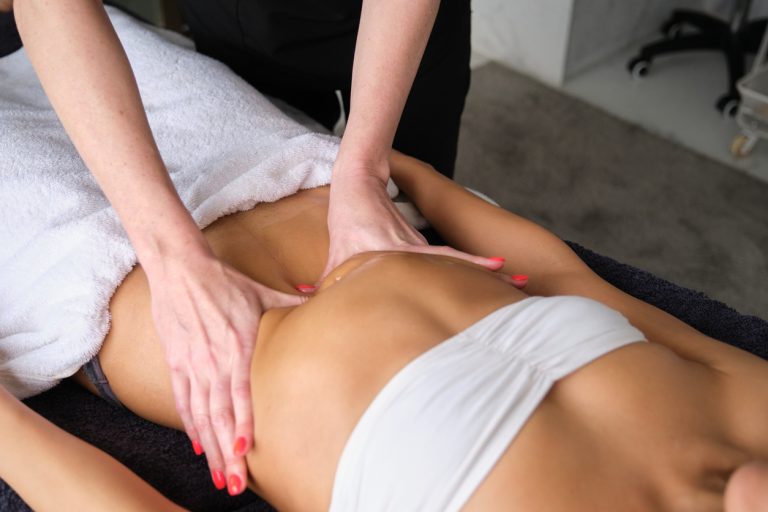
Wellness on Shore would sequence infrared sessions to complement massage, yoga and personal training, using sauna before yoga for increased tissue pliability, after personal training to aid recovery, or before massage to relax muscles and enhance manual work. Practitioners such as Natasha, Emma, Lisa and Mauricio can advise on session timing and individual contraindications, ensuring each client receives safe, personalised recommendations. Packages and bundled sessions would make integrated care easy to book, and step-by-step guidance at reception or during consultations will support first-time users through orientation and hydration protocols. This integration underscores how infrared therapy adds value to existing services while keeping education and safety at the centre of client care.
- Practical booking steps: Schedule a trial consultation, discuss goals with a practitioner, and choose an integrated package.
- Integrated session examples: Pre-yoga gentle sauna to improve flexibility; post-PT sauna plus light massage for recovery.
- Safety-first protocols: Practitioner assessment, gradual session progression, and hydration recommendations.
These concrete integration pathways help clients make informed choices and ensure infrared therapy enhances, rather than replaces, established therapies at Wellness on Shore.