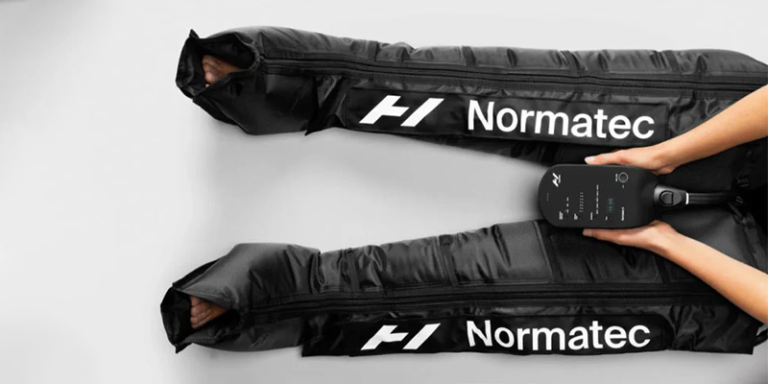

Maintaining an active lifestyle, whether through regular exercise, sports, or physically demanding work, places ongoing stress on the body. Without proper recovery, this stress can lead to fatigue, reduced performance, and even injury. This is where muscle recovery therapy plays a vital role.
For individuals across Sydney, particularly in local communities like Chiswick, incorporating effective recovery strategies is essential for long-term health and performance. This guide explores how muscle recovery therapy works, its benefits, and how professional support can enhance your overall well-being.
What Is Muscle Recovery Therapy?
Muscle recovery therapy refers to a range of techniques designed to repair muscle tissue, reduce soreness, and restore physical function after activity. It supports the body’s natural healing processes and helps prevent overuse injuries.
Common forms of muscle recovery therapy include:
- Remedial massage
- Stretching and mobility exercises
- Myofascial release techniques
- Trigger point therapy
- Active recovery methods
These approaches work together to improve circulation, reduce inflammation, and promote faster recovery.
Why Muscle Recovery Is Important
Recovery is just as important as exercise itself. Without it, the body does not have time to repair and strengthen muscles.
Preventing Injury
Overworked muscles are more prone to strains and tears. Proper recovery reduces this risk by allowing tissues to heal.
Improving Performance
Well-recovered muscles perform more efficiently, helping you achieve better results in training and daily activities.
Reducing Muscle Soreness
Delayed onset muscle soreness (DOMS) can impact movement and motivation. Recovery therapy helps minimise discomfort.
Supporting Long-Term Health
Consistent recovery practices contribute to overall musculoskeletal health and reduce the likelihood of chronic issues.
The Role of a Remedial Massage Therapist in Chiswick
Working with a qualified remedial massage therapist in Chiswick can significantly enhance your recovery process.
What Is Remedial Massage?
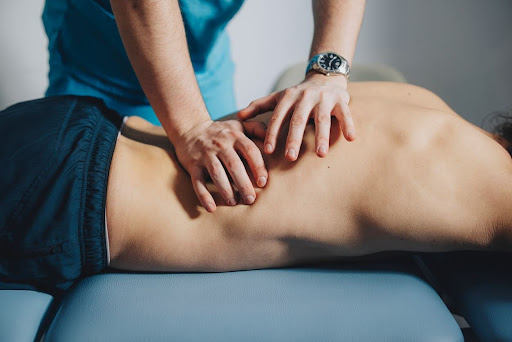
Remedial massage is a targeted therapy that focuses on treating muscle tension, pain, and dysfunction. It involves:
- Assessing the source of discomfort
- Applying specific techniques to affected areas
- Improving muscle function and flexibility
Benefits of Professional Treatment
A skilled therapist can:
- Identify underlying muscle imbalances
- Relieve tightness and knots
- Improve blood flow to affected areas
- Accelerate the healing process
This personalised approach ensures your recovery plan is effective and tailored to your needs.
How Muscle Recovery Therapy Works
Understanding the science behind recovery can highlight its importance.
Increased Blood Circulation
Therapeutic techniques stimulate blood flow, delivering oxygen and nutrients to muscles while removing waste products.
Reduction of Muscle Tension
Massage and stretching help release tight muscles, improving flexibility and reducing discomfort.
Improved Lymphatic Drainage
This process helps remove toxins and reduce swelling, supporting faster recovery.
Nervous System Relaxation
Recovery therapy activates the parasympathetic nervous system, promoting relaxation and reducing stress.
Types of Muscle Recovery Techniques
There are several approaches to muscle recovery therapy, each offering unique benefits.
Remedial Massage
One of the most effective methods, remedial massage, targets specific problem areas to relieve pain and improve mobility.
Stretching and Mobility Work
Regular stretching improves flexibility and prevents stiffness, especially after intense activity.
Foam Rolling
This self-myofascial release technique helps reduce muscle tightness and improve circulation.
Ice and Heat Therapy
- Ice reduces inflammation and swelling
- Heat promotes relaxation and blood flow
Active Recovery
Low-intensity activities such as walking or swimming help maintain movement without overloading the muscles.
Who Can Benefit from Muscle Recovery Therapy?
Muscle recovery therapy is suitable for a wide range of individuals.
Athletes and Fitness Enthusiasts
Regular recovery helps maintain performance and prevent injuries.
Office Workers
Prolonged sitting can cause muscle tension, particularly in the neck and back.
Manual Labourers
Physically demanding jobs place stress on muscles, making recovery essential.
Individuals Managing Chronic Pain
Therapy can help alleviate ongoing discomfort and improve mobility.
Signs You Need Muscle Recovery Therapy
Your body often signals when recovery is needed.
Common signs include:
- Persistent muscle soreness
- Reduced flexibility
- Fatigue or lack of energy
- Frequent injuries
- Tight or stiff muscles
Addressing these symptoms early can prevent more serious issues.
Integrating Recovery into Your Routine
Consistency is key when it comes to effective recovery.
Schedule Regular Sessions
Working with a remedial massage therapist in Chiswick on a regular basis helps maintain muscle health and prevent issues.
Stay Hydrated
Hydration supports muscle function and aids in recovery.
Prioritise Rest
Adequate sleep is essential for muscle repair and overall well-being.
Maintain a Balanced Routine
Combining exercise, recovery, and rest ensures optimal results.
The Connection Between Recovery and Performance
Recovery is not just about reducing soreness; it directly impacts performance.
Enhanced Strength and Endurance
Recovered muscles are stronger and more capable of handling increased workloads.
Improved Range of Motion
Flexibility and mobility allow for better movement and reduced injury risk.
Mental Well-being
Recovery therapies can reduce stress and improve overall mood, supporting a positive approach to training.
Choosing the Right Recovery Provider
Selecting the right professional ensures you receive effective and safe treatment.
Qualifications and Experience
Look for therapists with recognised certifications and experience in muscle recovery techniques.
Personalised Approach
A good therapist will tailor treatments to your specific needs and goals.
Professional Environment
A clean, comfortable, and well-equipped space enhances the overall experience.
Local Convenience
Choosing a provider in areas like Chiswick makes it easier to maintain consistency.
Supporting Your Recovery with Professional Care
While self-care techniques are beneficial, professional treatment offers deeper and more targeted results. A qualified therapist can identify issues that may not be obvious and provide solutions tailored to your body.
For those looking to explore professional services, you can learn more about tailored massage and recovery treatments here:
https://wellnessonshore.com.au/massage-in-chiswick-balmain/
Long-Term Benefits of Muscle Recovery Therapy
Incorporating muscle recovery therapy into your routine offers lasting advantages.
Injury Prevention
Regular treatment reduces the risk of strains and overuse injuries.
Better Posture
Addressing muscle imbalances improves posture and reduces discomfort.
Increased Mobility
Improved flexibility supports everyday movement and physical activity.
Sustainable Fitness Progress
Consistent recovery allows you to maintain and build on your fitness achievements.
Conclusion
Muscle recovery therapy is an essential component of any active lifestyle, supporting faster healing, improved performance, and long-term physical health. Whether you are an athlete, a busy professional, or someone managing muscle tension, prioritising recovery can make a significant difference to your well-being.
Working with a qualified remedial massage therapist in Chiswick ensures you receive personalised care tailored to your needs, helping you stay active, pain-free, and performing at your best.
For those seeking professional support, Wellness On Shore offers expert muscle recovery therapy services designed to enhance your recovery, improve mobility, and support your overall health journey.
Written By: Emma Jackson